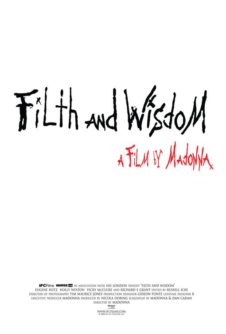
FILTH AND WISDOM
A mixed bag from the Material Girl — for adults only.
Should You Watch It?
This is a surprisingly well-made little film with genuine compassion for struggling people. Its touching moments and uplifting ending show kindness, generosity, forgiveness, and wisdom overcoming despair, broken marriages, selfishness, and confusion.
But the movie also asks adults to sit through 66 obscenities, lewd sexual references, sadomasochistic material, nudity, drug use, and other sleazy content. Much of that material is gratuitous. The film’s positive ending does not erase what comes before it, even if it does overshadow those parts.
If you are an adult willing to exercise discernment, the film’s heartfelt character moments may reward you. If you are choosing for children or young teens, stay away. WORTH THE TRIP — ADULTS ONLY is the practical answer.
The Story
NO SPOILERS — WE KEEP THE SURPRISESIn London, three young people pursue their dreams while working at dead-end jobs. A Ukrainian immigrant hopes to become a musical star with his gypsy punk rock band. His roommates include a ballerina supporting her training through stripping and a depressed druggist’s assistant who dreams of helping children in Africa.
The Ukrainian also tries to help a blind poet and professor who has given up on life. Their lives gradually intersect through hardship, questionable choices, and unexpected acts of compassion.
Is It Any Good?
Three stars means this is a good but uneven film. It is well directed and acted, and it makes viewers care about its struggling characters.
The strongest moments are heartfelt epiphanies: a blind poet being helped out of despair, a bedraggled wife showing love to her sleeping husband, and a woman tearfully realizing her dream of helping needy children in Africa. The happy ending is uplifting and surprisingly effective.
The weakness is the gratuitous material, especially in the first half. The foul language and lewd sexual references are unnecessary and keep the film from reaching a broader audience.
The Worldview
The film presents a strong, somewhat mixed pagan worldview. Its central philosophy suggests that “filth” and “wisdom” are two sides of the same coin, with good and evil connected in a dualistic way. But the story’s ending contradicts that idea.
What the film ultimately exalts is more hopeful: wisdom, compassion, generosity, and forgiveness. Acts of kindness help repair one marriage, save a blind man from despair, fulfill a woman’s dream of helping needy children in Africa, and help a heterosexual couple find each other. The film’s morally uplifting ending suggests that goodness is superior to wickedness, even though its philosophical framework remains confused.
The movie’s central longing is for people to be rescued from despair and restored through compassion. Scripture gives that longing a clearer foundation: “Be kind to one another, tenderhearted, forgiving one another, as God in Christ forgave you” (Ephesians 4:32).
The Content Guide
The specifics — spoilers included by nature — so you can judge for your own family.
Content Summary
Strong, somewhat mixed, pagan worldview that seems contradictory in one area, with expressions of a dualistic pagan worldview about good and evil (or filth and wisdom) that is belied by the movie’s morally uplifting, slightly redemptive, premise and ending, where acts of kindness, including generosity and forgiveness, help fix one marriage, save a blind man from despair, fulfill a woman’s dream to help needy children in Africa, and help a heterosexual couple find each other; 66 obscenities (including “f” words and 15 or so uses of the English word “bloody”), one light profanity, and a couple obscene gestures; strong violence in one scene where a man brutally kicks a man and two or three other scenes where sex worker whips rear ends of male clients, plus woman deliberately punched by another woman but by mistake, despondent blind man shoves books onto floor, woman dumps cooked rice onto table in anger against unruly children, and children wrestle; strong sexual content includes several scenes of sadomasochistic hitting (including kicking in one scene), woman tries out for strip club and she dances in skimpy bikini three times or so, and implied sex between married couple; rear female nudity of stripper in skimpy bikini in two scenes, rear male nudity in one scene, and man often wears no shirt under his suspenders or jacket; alcohol use and brief drunkenness; smoking and woman steals pills and uses one to comfort her depression in one scene; and, druggist’s assistant steals pills, woman shouts at husband all the time but they eventually reconcile and he gives her flowers, and some philosophical confusion.
Talk About It
Questions for the drive home, the dinner table, or the youth group.
The film’s ending emphasizes kindness, generosity, and forgiveness. Which of those virtues is hardest for you to practice, and why?
Ephesians 4:32 · Colossians 3:12–13The blind professor has given up on life, but another person chooses to help him. How can compassion interrupt someone else’s despair?
Galatians 6:2 · 2 Corinthians 1:3–4The film suggests that filth and wisdom are two sides of the same coin, but its ending points toward a different conclusion. How does Scripture distinguish wisdom from wickedness?
James 3:13–18 · Proverbs 9:10One character dreams of helping needy children in Africa. What does the Bible teach about caring for vulnerable people?
James 1:27 · Matthew 25:35–40The Final Word
This small film earns its three stars through strong direction, caring performances, and an uplifting ending. Its abundant profanity and sexual content are gratuitous, however. For adults who can exercise discernment, the answer is WORTH THE TRIP — ADULTS ONLY. Families seeking cleaner viewing can start here:.