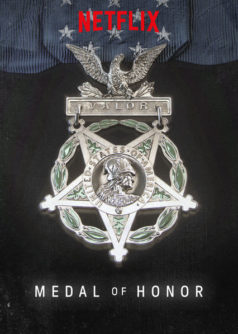
MEDAL OF HONOR: Richard L. Etchberger
A powerful story of courage and self-sacrifice for teens and adults.
Should You Watch It?
This episode tells the story of Chief Master Sergeant Richard L. Etchberger, whose courage during the Vietnam War becomes a moving portrait of self-sacrifice. The interviews are the strongest part, especially the later story of how Etchberger finally received the Medal of Honor.
The dramatizations remain well acted and well written. The episode also includes positive references to Christian faith and a strong moral vision centered on sacrificing for others.
War violence and some language make this unsuitable for young children. For teenagers and adults, especially viewers drawn to stories of courage and service, this is a worthwhile episode. The practical answer: watch it with teenagers and adults who can handle its content.
The Story
NO SPOILERS — WE KEEP THE SURPRISESDuring the Vietnam War, the United States needed civilians to operate a technical site near Laos. Several soldiers, including Chief Master Sergeant Richard L. Etchberger, secretly resigned from the Army to serve there as non-commissioned officers.
When North Vietnamese soldiers attack the site, Etchberger and the others face an overwhelming threat. Interviews and dramatizations explore the mission, the men who served there, and the choices made under fire.
Is It Any Good?
Four stars means this is an especially compelling episode. It relies more heavily on interviews than on dramatizations, and the interview material about Etchberger’s later Medal of Honor award is the most powerful part.
The acting and writing in the dramatic portions are strong. The extra footage after the episode also adds interest to Etchberger’s story. Together, these elements make the episode an effective and moving account of heroism.
The Worldview
The episode presents a very strong moral and patriotic worldview. It highlights one man’s willingness to sacrifice himself for his friends and family, giving self-sacrifice the central moral importance. Some Christian language is used, and the episode contains positive references to Christian faith.
That emphasis aligns with the biblical honor given to sacrificial love. Jesus says, “Greater love has no one than this, that someone lay down his life for his friends” (John 15:13).
The Content Guide
The specifics — spoilers included by nature — so you can judge for your own family.
Content Summary
<strong>
Dominant Worldview and Other Worldview Content/Elements
</strong> Very strong moral, patriotic worldview highlighting one man’s willingness to sacrifice himself for his friends and for his family, and where some Christian language is used; <strong>
Foul Language
</strong> Two obscenities (including one “f” word) and four profanities; <strong>
Violence
</strong> General warfare and explosions, including some death by gunfire and grenades, 1 brutal, point blank execution with a pistol; <strong>
Sex
</strong> No immoral sex but an engaged couple kisses passionately; <strong>
Nudity
</strong> No nudity; <strong>
Alcohol Use
</strong> A couple is seen sitting next to an open bottle of wine; <strong>
Smoking and/or Drug Use and Abuse
</strong> No smoking or drug content; and, <strong>
Miscellaneous Immorality
</strong> Dysfunctional family portrayals.
Talk About It
Questions for the drive home, the dinner table, or the youth group.
The episode centers on a willingness to sacrifice for friends and family. What does sacrificial love look like in ordinary life?
John 15:13 · Philippians 2:3–4Etchberger’s story involves courage under pressure. Where do you need courage to do what is right?
Joshua 1:9 · 2 Timothy 1:7The episode includes positive references to Christian faith. How should Christian belief shape the way we serve others?
Galatians 5:13 · 1 Peter 4:10The story honors service to others. How can your family recognize and encourage faithful service?
Hebrews 6:10 · Matthew 25:21The Final Word
This is a compelling, well-made episode about courage, service, and self-sacrifice. Its realistic warfare and language call for parental discernment, but teenagers and adults can find much to admire and discuss. WORTH WATCHING — TEENS AND ADULTS.