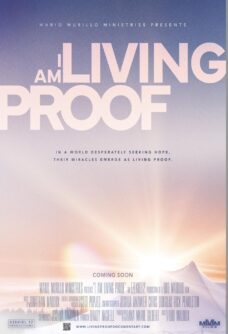
I AM LIVING PROOF
Three ordinary people, three impossible healings, one very present God.
Should You Watch It?
This is a documentary built entirely on testimony, and the testimonies carry it. Three people — Bri, Steve, and Mary — each faced years of debilitating, medically unexplainable pain. Each found healing at Mario Murillo's 2022 tent revival in Colorado Springs. The film simply lets them tell you what happened, and what happened is hard to shrug off.
There's nothing here to object to on content grounds — no language, no violence on screen, no sex or nudity. What it does ask you to sit with is real suffering: a debilitating illness that left one woman skeletal, an opioid dependency born from a workplace injury, and a moment where a man regrets trying to end his own life. None of it is graphic. All of it is honest.
If you want a film that argues, with real people's lives as evidence, that God still moves — this delivers it, and it's suitable to watch as a family once kids are old enough to handle the subject matter with you.
The Story
NO SPOILERS — WE KEEP THE SURPRISESPastor Mario Murillo has spent years holding tent revivals, drawing believers and skeptics alike into the open air to hear the Gospel preached. In 2022, he brought one to Colorado Springs. Three people in the audience — a young woman wasting away from an unexplained illness, a man in unbearable chronic pain from a work accident, and a mother left in agony after childbirth and a car accident — arrived with nothing left to lose. What happens next is the reason this film exists.
Is It Any Good?
Three stars means this is a solidly made documentary that earns its emotional impact honestly. The film gives each of its three subjects room to establish who they were before their suffering, what that suffering actually cost them, and how thoroughly modern medicine had failed them — which makes the turn toward healing land with real weight rather than feeling rushed or manufactured. Structuring the film around Murillo's own account of how the revival tour began also grounds the testimonies in a larger, coherent story rather than three disconnected anecdotes.
The Worldview
This film exalts one thing plainly: that Jesus Christ heals, and that He is as present and active now as He was in the Gospels. It pairs each testimony with readings from the New Testament recalling Christ's healing ministry, drawing a direct line between those miracles and what happens to Bri, Steve, and Mary. It stresses the value of community — friends inviting the suffering to revival, family carrying hope for someone who has none left — and closes with an open invitation to follow Christ, capped by a guided prayer.
There is little here that departs from a biblical view. The suffering is real and named honestly; the relief comes from God, not from technique or self-help. Where the film asks you to lean on faith rather than clinical explanation — doctors who say they have no answer for what they're seeing — that is presented as a feature, not a gap to be explained away.
The ache at the center of this film is the ache of anyone who has run out of remedies and out of hope. Scripture speaks directly into that place: "He heals the brokenhearted and binds up their wounds" (Psalm 147:3). This film simply asks you to believe that verse is still being written today.
The Content Guide
The specifics — spoilers included by nature — so you can judge for your own family.
Dominant Worldview and Other Worldview Content/Elements
Very strong Christian, biblical, evangelical worldview and teachings as three everyday people share their testimony of miraculous healing in their life while being led them to Christ, movie strongly stresses the value of friends and family and promotes how God and His Word Written calls people to lift each other up, especially in times of hardship, multiple readings from the New Testament recalling miracles that Jesus performed during his earthly ministry which mirror the miracles that occurred in these three people’s lives, pastor invites viewers to wholeheartedly follow the Lord and are led through a prayer at the end of the documentary
Foul Language
No foul language
Violence
No depicted violence but there is some discussion of a suicide attempt
Sex
No sex
Nudity
No nudity
Alcohol Use
No alcohol use
Smoking and/or Drug Use and Abuse
No depicted smoking or depicted drug use, but one person giving their testimony recalls how they tried to intentionally overdose on painkillers, though he now regrets that decision and is extremely thankful he didn’t die;
Miscellaneous Immorality
Some discussion of severe depression.
Talk About It
Questions for the drive home, the dinner table, or the youth group.
Each of these three people ran out of medical options before their healing came. What does it look like to keep hoping in God when the experts have no answer left to give?
Hebrews 11:1 · Psalm 42:5Mary waited through two disappointing nights at the revival before her healing came on the third. What does her patience teach you about how God's timing can differ from ours?
Psalm 27:14 · Habakkuk 2:3Steve walked away from his childhood faith before addiction and injury brought him low. Is there a "Steve" in your life right now — someone far from God who needs an invitation, not a lecture?
Luke 15:20 · James 5:19–20The film treats Bri, Steve, and Mary's suffering honestly, without rushing past the pain to get to the miracle. Why might it matter to sit with someone's hardship before rushing to fix it?
Romans 12:15 · Job 2:11–13The Final Word
I Am Living Proof doesn't ask you to take healing on faith alone — it hands you three lives changed and lets you weigh the evidence. It's honest about suffering, unwavering about the Gospel, and clean enough for a family movie night once your kids are old enough for the subject matter. Our answer: worth the trip — ages 12 and up.