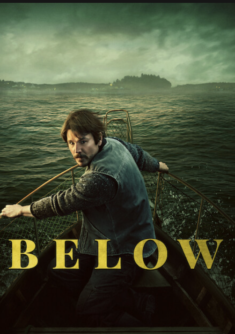
BELOW: Episode 1.1
An intense monster horror that features deep, grounded characters and a beautiful small-town landscape.
Should You Watch It?
Yes. If you enjoy realistic monster horror with an emphasis on family drama and small-town mysteries, this series may be worth a watch. Its premiere establishes an unsettling atmosphere, using a remote Newfoundland fishing community to explore what happens when the place people call home becomes a source of fear. The episode's greatest strength is its ability to make the threat feel personal, tying unsettling circumstances to the characters' relationships, grief, and uncertainty about the future.
However, know what you're getting into. The episode embraces the grotesque side of its genre, featuring graphic violence and disturbing creature attacks. Its horror doesn't just create atmosphere; it aims to unsettle you. The slow opening prioritizes character development and their circumstances over immediate scares, drawing out the suspense for as long as possible.
For believers, the premiere offers worthwhile themes to consider, particularly the desire to protect one's family and the fear that comes when life becomes unpredictable. Still, those themes serve as starting points rather than deeply developed reflections on suffering or hope.
If you like atmospheric horror and can handle graphic content, this could be a good watch. If you prefer horror with a stronger sense of purpose or spiritual depth, this premiere may leave you wanting more.
The Story
NO SPOILERS — WE KEEP THE SURPRISESWhen the small fishing town of Snooks Arm faces strange weather and mysterious deaths, the locals must find a way to keep living while investigating the strange happenings just off their coast. One local, Calvin Penney, must fight to protect his family while trying to save the town he loves.
Is It Any Good?
Three stars mean a beautiful atmosphere and deep characters that help set up a promising series. The first episode provides a competent but familiar introduction to a horror series.
Its remote coastal setting serves as an effective backdrop, and the contrast between the ocean's importance to the community and the danger hidden beneath it gives the premise immediate tension. Josh Hartnett brings a weary seriousness to Calvin Penney, grounding the supernatural elements in relatable characters and recognizable family struggles.
The episode's pacing remains deliberate, spending time establishing its characters and setting before escalating into more graphic horror toward the end. This approach gives the story emotional context, but the sheer amount of setup sometimes feels like the viewer is spoon-fed the story.
For believers and movie lovers alike, the episode delivers solid atmosphere and an intriguing premise, but the storytelling isn't particularly remarkable. Its craft proves effective, but its familiar genre elements keep it from feeling exceptional.
The Worldview
The premiere has a mixed Pagan worldview with light moral elements. At its core, it explores what happens when people feel powerless against forces threatening their friends, families, and lives. Calvin is burdened by family and work troubles that leave him discouraged and alone. He carries an old family loss tied to the sea. His community faces a similar reality: the life they’ve built is growing uncertain, and the danger beneath the water is something they cannot understand or control.
That danger is spiritual, and the episode’s spiritual world is pagan. The premiere presents the spirits of Newfoundland folklore as real, malevolent beings that torment the living. The ocean acts less like creation and more like a dark power with its own will, reaching into people’s minds. The sea that feeds this community can also destroy it. No God, no prayer, and no moral authority stands above the evil beneath the waves.
To its credit, the premiere never glamorizes these forces. It portrays them as evil, not as something to admire or harness. Still, a story that makes dark spirits real while leaving God out presents a spiritual world without hope. Its characters face a darkness with no way to overcome it.
Ultimately, the episode names a recognizable human ache: the desire to protect what we love when the future feels uncertain. It establishes that fear without answering it yet. Galatians 6:2 calls believers to bear one another’s burdens, contrasting with a world where survival feels like an individual battle.
The Content Guide
The specifics — spoilers included by nature — so you can judge for your own family.
Dominant Worldview and Other Worldview Content/Elements
Strong mixed pagan worldview that treats spirits from Newfoundland folklore as real, malevolent beings that torment the living. The ocean is depicted as a dark power with its own will that reaches into people’s minds. No God, prayer, or moral authority stands above the evil beneath the waves. Light moral elements, including love of family, concern for community, and a desire to protect loved ones. The story also portrays these forces as evil, never glamorizing them or presenting them as something to harness.
Foul Language
23 profanities and obscenities including 10 ‘f’ words and 10 instances of taking the Lord’s name in vain. A character gets seasick and vomits over the side of the boat
Violence
A man gets dragged underwater by a mysterious creature. A man gets cut in half by a fishing wire. A detached leg is found underwater
Sex
No sex but two characters kiss and sleep in the same bed although they are unmarried
Nudity
No nudity
Alcohol Use
Characters drink beer at a bar
Smoking and/or Drug Use and Abuse
No smoking or drug use;
Miscellaneous Immorality
A character disobeys his father and is overall rebellious. Someone threatens a character over text. Illegal fishing and trapping.
Talk About It
Questions for the drive home, the dinner table, or the youth group.
When the things we depend on become sources of danger, where do we turn for security? Does the episode suggest that people can protect themselves through their own strength, or does it expose the limits of human control? Psalm 46:1-3
How does the community respond when its way of life is threatened? How does the episode navigate self-preservation with the importance of supporting each other within the community? Galatians 2:2
How do the characters respond to pain, loss, and uncertainty? Does the episode portray grief as something to be shared and processed, or as a burden people must overcome on their own? Psalm 34-18
The Final Word
BELOW opens with an atmospheric but familiar horror premise, rooted in family struggles and a coastal community’s uncertain future. Its haunting setting stands out, but a mixed Pagan worldview, graphic violence, and conventional storytelling limit its appeal for Christians and families. The premiere treats folklore spirits as real and evil yet offers no God and no hope against them, leaving a promising but dark setup. Adults only, and even they should test the water first.