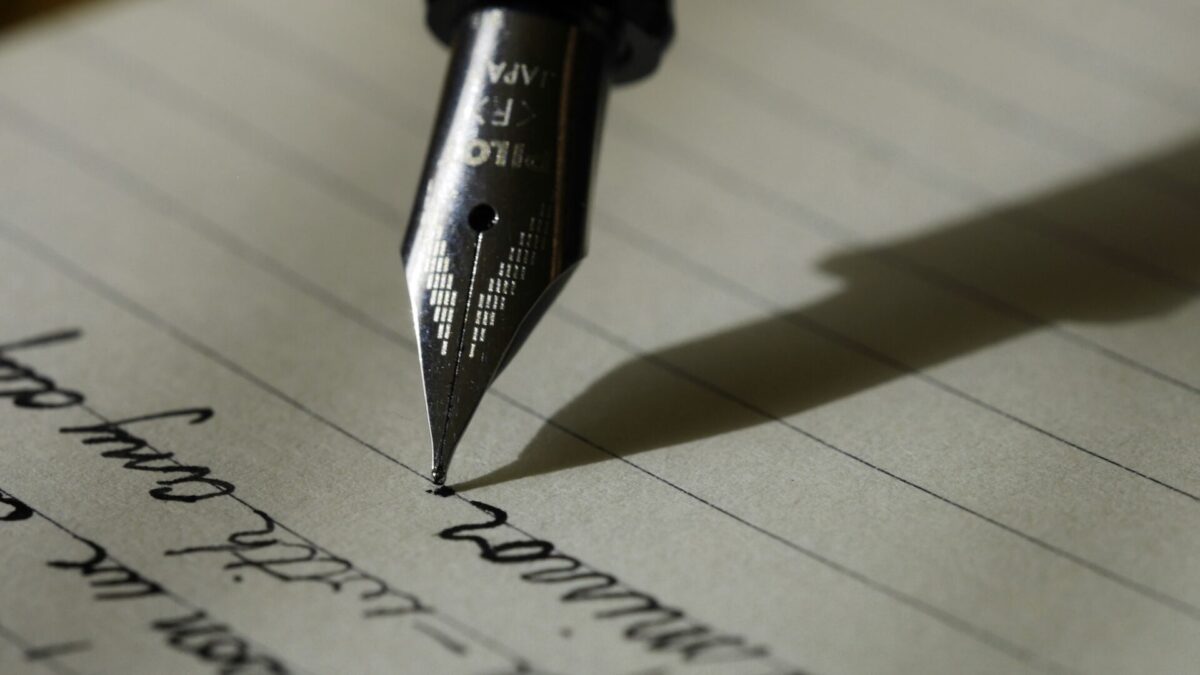
Some Gen Zers are trading the pressure of an instant reply for something that cannot buzz in a pocket: a handwritten message delivered to the mailbox.
“When you write by hand, you slow down and see the words you’re choosing,” explained clinical health psychologist Bayley J. Taple in an interview with Newsweek.
Newsweek described the phenomena of young people joining and creating snail mail clubs, including paid subscriptions that deliver correspondence, illustrations and small extras. Some packages include stickers, bookmarks or pressed flowers, turning an ordinary envelope into something recipients can keep.
There’s an important distinction here: a creator sending a monthly package to subscribers is not necessarily offering a two-way pen-pal friendship. Before signing up, families should check whether they are purchasing an artist’s work, joining a correspondence exchange or doing a little of both.
The appeal is not hard to picture. A text can arrive between errands and disappear into a long thread, while a letter asks its writer to choose a person, sit down and put a few thoughts on paper.
“Group chat platforms come with an immediacy and expectation of quick response that can make participating in them feel stressful,” Carolina Estevez, a psychologist at Soba, told Newsweek.
Related: Why Gen Zers Are Turning Towards ‘Analog Lifestyles’
Her observation helps explain the attraction without turning an enjoyable hobby into a medical prescription. Letter writing does not have to replace texting, and a decorated envelope is not a treatment for anxiety or depression.
The interest also predates this week’s report. Pinterest included pen pals in its 2026 trend forecast, describing elaborate envelopes, special stationery and stamps as part of the appeal for Gen Z and millennials.
That forecast is a useful cultural signpost. Young adults can enjoy sharing stationery ideas online and still want the slower experience of sending something through the mail.
One established example is Postcrossing’s postcard exchange, which uses a website to connect people who want to send and receive physical cards. Members request an address and a postcard identifier, mail their card, and become eligible to receive one from another member after their outgoing card is registered.
In other words, technology and paper do not have to be enemies. The website handles the introduction; the postcard carries the personal message.
Families can try a simpler version without buying a subscription or exchanging addresses with strangers. A thank-you note to a grandparent, a birthday letter to a cousin or an encouraging card to someone from church gives children a real recipient and a reason to write.
The Postal Service’s letter-sending guide walks beginners through addressing, postage and mailing. It also cautions that rigid or lumpy additions can require different handling or extra postage, so those little envelope surprises deserve a practical check before they go in the mailbox.
Parents should oversee any exchange involving a child and decide with whom an address may be shared. Starting with someone the family already knows keeps the focus on the message instead of the novelty of meeting a stranger.
The nicest part may be how little a first attempt requires: paper, a pen and something specific to say. No perfect handwriting or elaborate stationery needed — just a few unhurried words for someone worth remembering.
Read Next: Gen Z Ditches Laptops and iPhones for Older Tech
Questions or comments? Please write to us here.