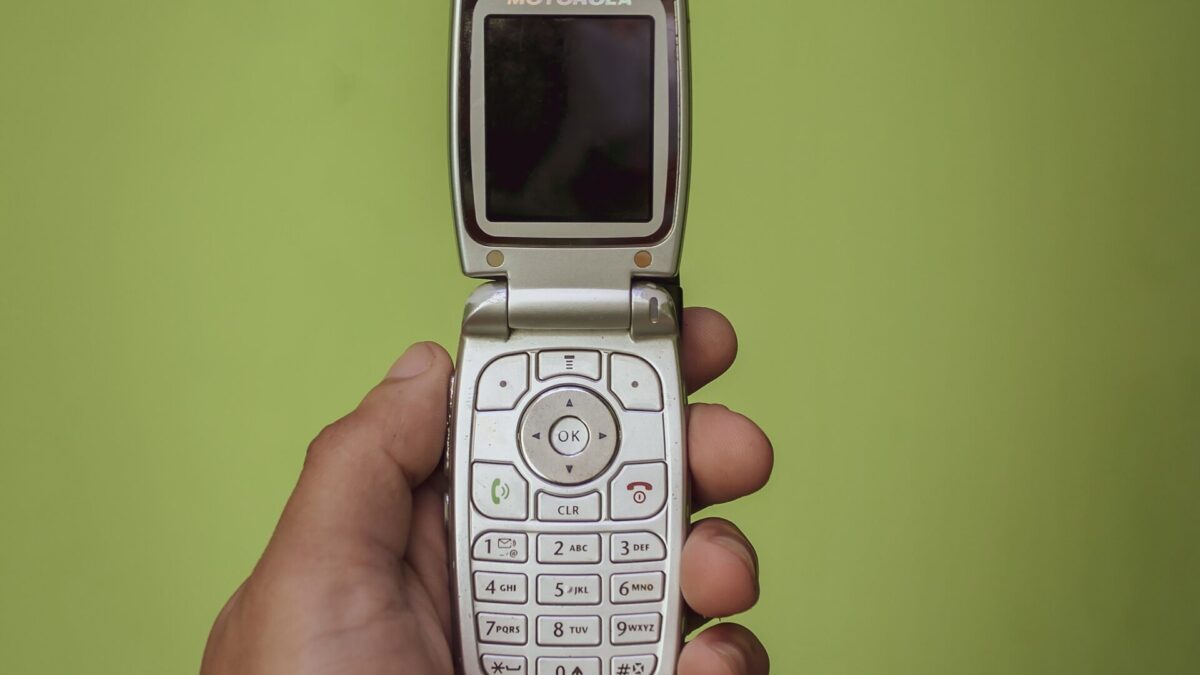
Everything about smart phones is addicting, and people are finally catching on.
Between 2021 to 2024, dumb phone sales have jumped by 148% among ages 18-24, and in the same age group, smart phone sales dropped by 12%, Relevant reported.
Over a quarter (28%) of Gen Z display interest in dumb phones and 26% of millennials.
“Smartphones have the same chemical reaction in the brain as drugs and alcohol,” Melissa DiMartino, associate professor of psychology at the New York Institute of Technology, said.
The University of Texas at Austin asked 467 participants to block internet access on their smartphones for two weeks. Afterward, 91% said they had better mental health and well-being. Their sustained attention improved by an amount researchers compared to reversing roughly a decade of decline. The psychologist who led the study, Adrian Ward, said the results are comparable to those seen with antidepressant treatment.
Related: Are ‘Dumb Phones’ a Practical Way to Break Technology Addiction?
“You keep scrolling [because] we get those dopamine hits, and it keeps people engaged with the content that they’re seeing and wanting to see more of it…even if the content is not particularly helpful for you or making you feel good in the long run,” said Jessica Willoughby, a professor in strategic health communication at Washington State University.
Harvard graduate student Gabriela Nguyen grew up with a smartphone. But now she says her flip phone makes her feel more connected than she ever did when she had social media and constant access to the internet.
USA Today mental health reporter Rachel Hale decided to switch to a dumb phone after seeing how dumb phones improve health. Plus, she learned a sobering statistic: “Two years, three months and seven days. I’m 24, and that’s the amount of my life I’ve already spent on my phone, according to a screen time calculator.”
She admits it was hard to not have a mobile GPS with her 24/7, and there were a few hiccups.
But she discovered, “The longer I lived without a smartphone, the more I realized that the inconveniences were part of the process. Things went slower, but that was the point, and it’s the reason dumb phones are having a moment.”
If you notice you may have depression or anxiety that may be tied to too much screen time, you can try tracking your usage, turning off nonessential notifications, putting your phone in a drawer for a period of time, uninstalling apps you don’t need, or switching to a dumb phone
Read Next: ‘Dumb Phones’ on the Rise as People Look to Cut Down Screen Time
Questions or comments? Please write to us here.