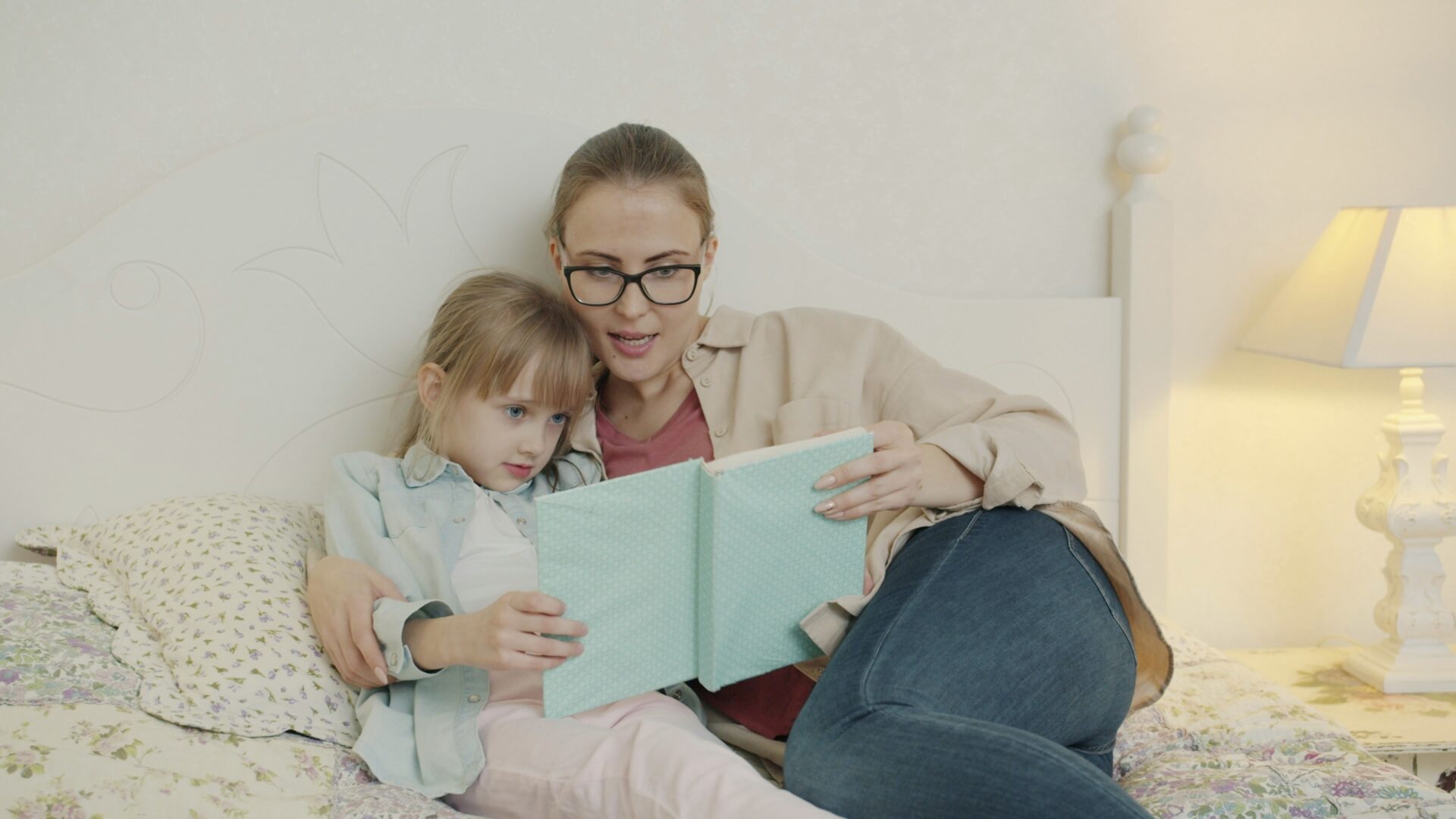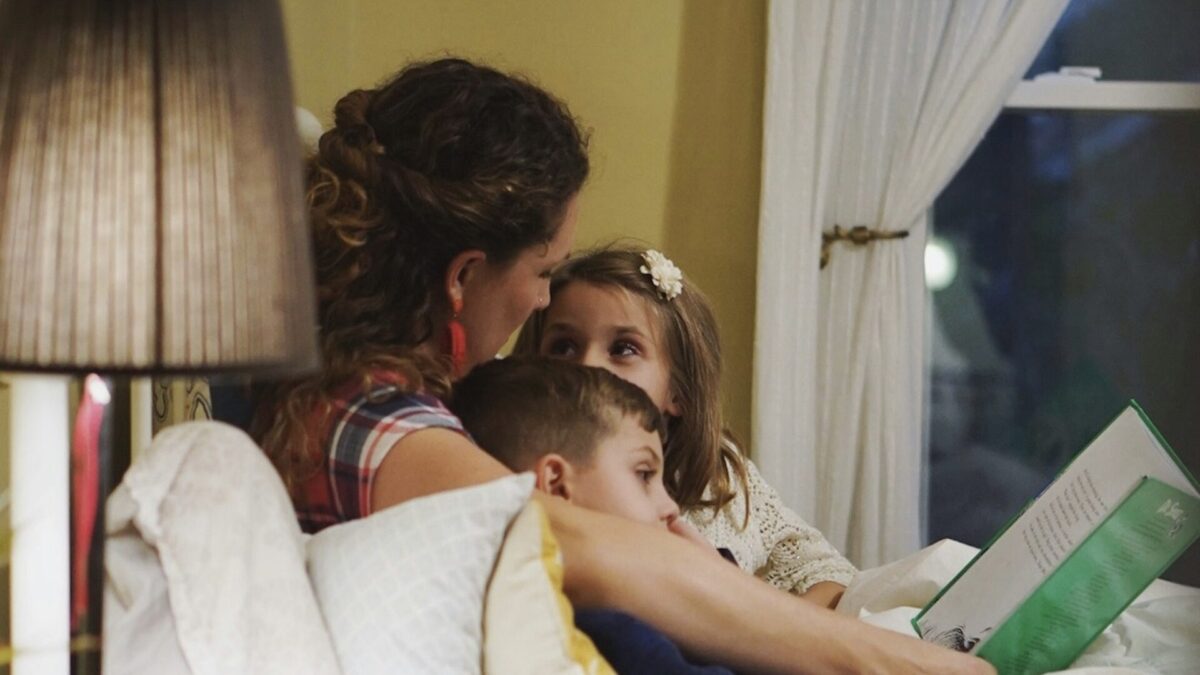
The bedtime story is quietly slipping out of family life, even though many parents say they want their children to read more.
“Parents need to consciously create time and space for reading, but parents don’t know what they don’t know,” Alison David, consumer insight director at HarperCollins Children’s Books and Farshore, said in an April 2026 release.
The warning followed a nationally representative UK survey by NielsenIQ BookData of 1,530 parents of children 13 and younger and 470 teens. Only 40% of 3- and 4-year-olds were read to daily in 2025, down from 68% in 2012, while just 23% of 8- to 10-year-olds heard a book read each day.
That is not what most parents say they want. Seventy-one percent wished their children spent more time reading, yet 58% did not name enjoyment as a reason for reading to their 5- to 10-year-olds.
There is a revealing disconnect: families value reading, but the practice can start to feel like one more assignment squeezed between dinner, homework and bedtime. In the survey, 38% of parents of 5- to 10-year-olds said completing reading homework took priority over reading together for fun.
A separate National Literacy Trust survey of 3,002 UK parents and caregivers found the share reading daily with children 5 and younger fell from 66.1% in 2019 to 45.9% in 2025. The leading barrier was not indifference but lack of time because of work, cited by 44.8%, followed by the costs of activities and resources.
Related: Bible Reading on the Rise, Thanks to Gen Z
That context matters. Scolding tired parents will not bring story time back, but shrinking it into something doable might: one book, one chapter or even a few animated pages, repeated often enough to become part of the family’s rhythm.
The benefits reach well beyond decoding words. In its updated literacy policy, the American Academy of Pediatrics urged shared reading from birth through at least kindergarten because it strengthens relationships, supports language and social-emotional growth, and stimulates developing brain circuitry.
“As a pediatrician and parent, I suggest making books your bedtime routine, using them to connect and wind down after a busy day, and generally building them into life with a young child,” said policy lead author Dr. Perri Klass. “It will strengthen the bonds that hold you together, and build your child’s developing brain.”
The AAP favors print books for young children because a parent and child can point, pause, laugh and talk together. The Center on the Developing Child at Harvard University called such back-and-forth exchanges “serve and return” interactions, which help build neural connections essential to communication and social skills.
Parents do not need a perfect voice or a miniature classroom lesson. Let the child choose, linger over the funny page, ask what might happen next and keep reading aloud even after the child learns to read independently.
The habit works partly because it makes books feel like belonging rather than a test. HarperCollins’ 2026 report found that 59% of 5- to 7-year-olds who were read to every day also chose to read daily themselves.
Reach Out and Read, a nonprofit that integrates books into pediatric care, likewise noted that children who are read to more often develop stronger language and listening skills as well as deeper emotional connections with loved ones.
For families, that may be the biggest reason to protect the habit. Reading together creates a small, steady space for attention, imagination and conversation — the ordinary work of passing on what is true, good and worth loving.
The bedtime story does not have to be elaborate to matter. It just has to happen, one page and one shared moment at a time.
Read Next: Dolly Parton’s Imagination Library Celebrates 200 Million Books Gifted
Questions or comments? Please write to us here.