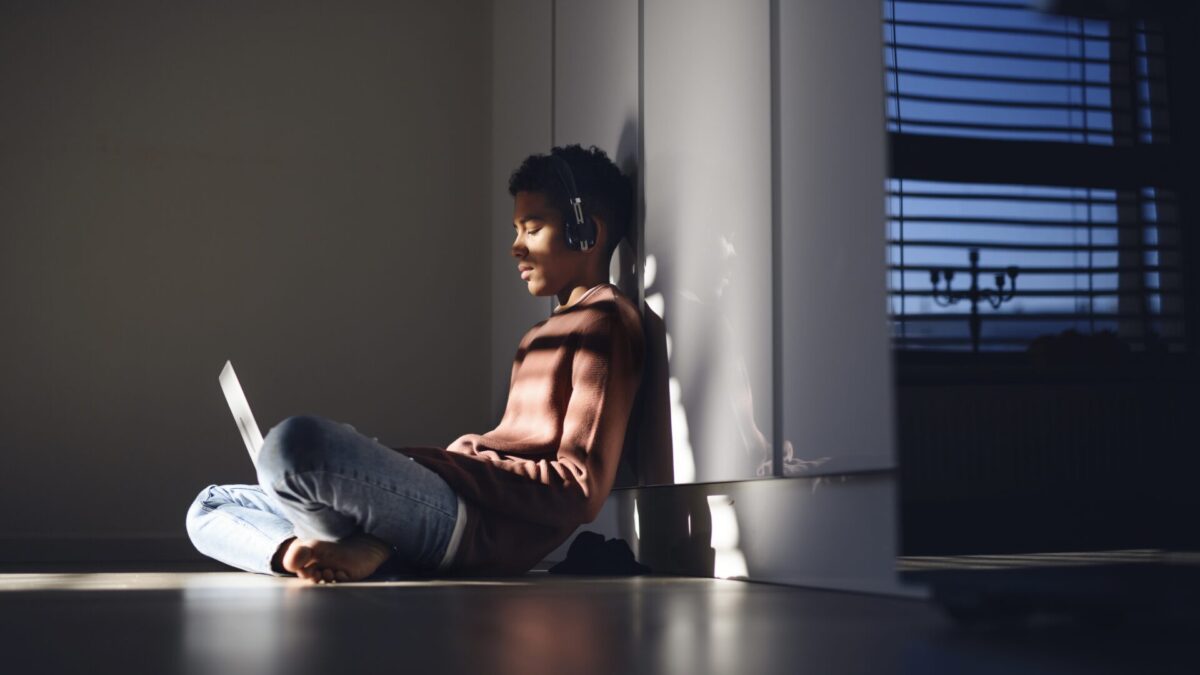
OpenAI rolled out a new version of ChatGPT built specifically for users ages 13 to 17 this week, and its standout feature is knowing when to say no.
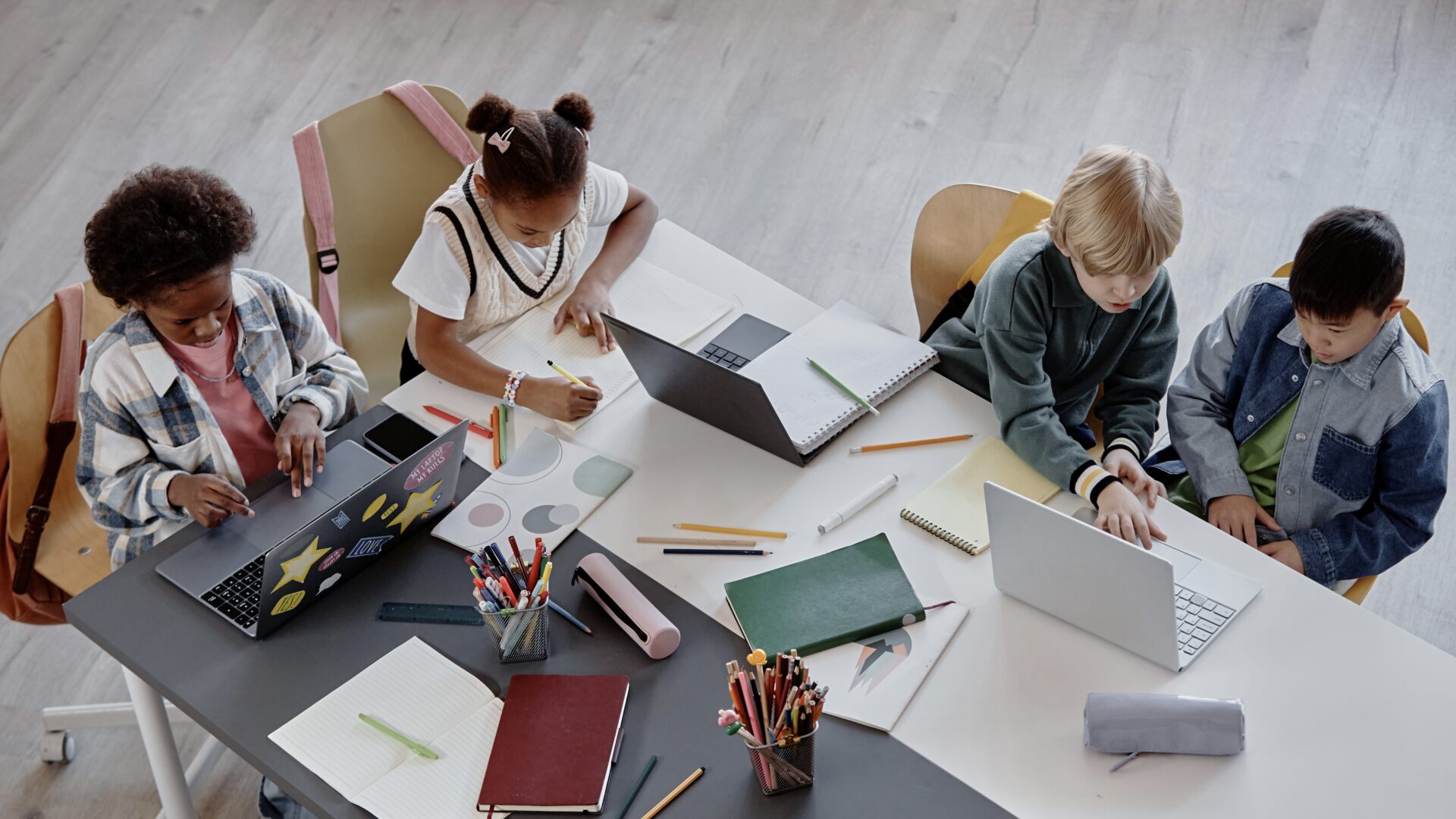
Called ChatGPT for Teens, the update automatically activates when a user identifies as a minor or when OpenAI’s systems estimate someone is under 18. Instead of producing a finished essay or a solved equation on request, the chatbot now steers homework requests toward guided learning instead.
“Not every student has someone at home who can help when they get stuck or have questions with their homework,” Racquel Gibson, a high school math teacher in Miami, said. “With the right guardrails, AI can help fill that gap.”
That’s the tension Movieguide® readers wrestle with every time a new AI headline appears: technology that could genuinely help kids learn, sitting one bad update away from doing real harm. Movieguide® has tracked this story for months, from chatbot companies moving to protect minors to researchers who found AI gives teenagers dangerously bad mental health advice. This time, OpenAI built something that pushes kids toward their own thinking rather than around it.
The company calls the feature a “Responsible Homework Reminder.” When a teen asks ChatGPT to write a paper or solve a problem set outright, the system redirects the conversation into Study Mode, which asks guiding questions and walks through concepts step by step instead of handing over a finished answer. Parents and teens can also set “Study Hours” so Study Mode turns on by default during, say, the after-school study block.
Related: Are AI Chatbot Companies Doing Enough to Protect Our Children?
OpenAI summed up the philosophy in one line: “AI should support learning, not shortcut it.”
The teen version tightens the screws elsewhere, too. Content protections around self-harm, eating disorders, violence and sexual material are stricter than the standard adult ChatGPT experience, and parents now get notified if the system flags eating-disorder-related conversations. OpenAI also stripped out romantic language and any phrasing that suggests the bot has feelings, a small but telling admission that chatbots had been leaning into emotional intimacy with young users.
A homework helper that teaches instead of substitutes deserves applause, and an industry that spent years optimizing chatbots to feel like a friend still owes families a clearer accounting of what that did to a generation of kids. Parents don’t need to treat ChatGPT for Teens as a finished solution. It’s a start, and a reminder that discernment doesn’t end once the safety settings are switched on.
For families weighing what AI belongs in their kids’ hands, this one is worth watching. Expect more chatbot makers to follow OpenAI’s lead on the homework front, if only because an AI that hands over answers is starting to look like a worse product than one that teaches kids to find them.
Read Next: Should Teens Turn to AI Chatbots for Mental Health Advice? Research Says…
Questions or comments? Please write to us here.