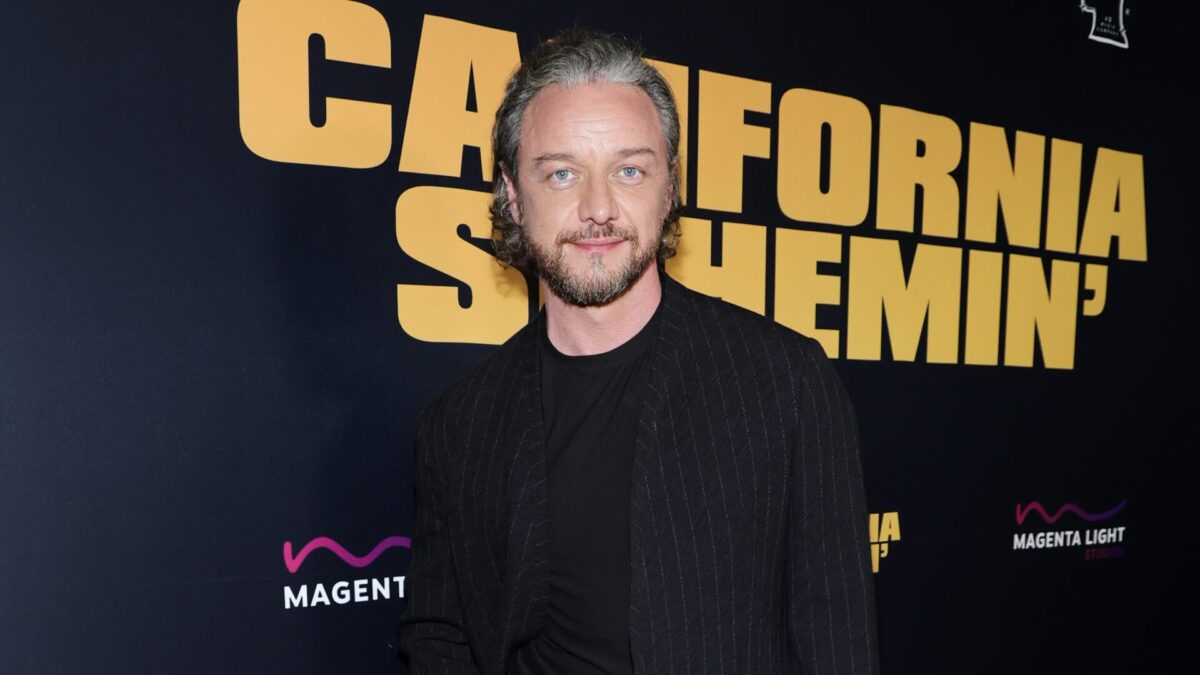
Actor and director James McAvoy says he stopped drinking after noticing that alcohol had shifted from something he enjoyed socially to something he was having alone at home.
“Look, it’s not as easy as that. It is a struggle,” he candidly said of sobriety on comedian Chelsea Handler’s podcast, “Dear Chelsea.”
The conversation moved from stories about his acting career to a more personal question: what did he like to drink? McAvoy explained that he no longer did, then described how his habits had changed during lockdown.
Before that period, he said, he would not ordinarily think to buy alcohol just to keep in the house. He might drink on a night out or make sure there was wine and beer when guests came over, but drinking belonged to those social occasions.
Lockdown blurred that boundary. The CHRONICLES OF NARNIA actor said he began drinking by himself and wanted to address the change before it went further, while making clear that he was not describing an extreme crisis.
As PEOPLE reported, he stopped abruptly and initially did not find going without alcohol especially difficult. But that was not the whole story, and he pushed back when the discussion made quitting sound easy.
Related: Actor Celebrates 22 Years of Sobriety: ‘God Is Real’
Emotional stress has made some periods harder, he explained. The wish for a drink can return when he is upset, even after the initial decision to stop; acknowledging that difficulty was part of his account, not a contradiction of it.
He also drew a specific boundary around what he meant by sobriety. McAvoy said he had sworn off alcohol, rather than making the same commitment about every other substance, and described becoming less interested in seeking an altered state as he gets older.
“Because I’m more and more comfortable in my state,” he said of the shift between chasing excitement and enjoying ordinary life.
He said drinking had made it harder to connect with pleasures that were not fueled by excitement. Giving it up helped him appreciate the less dramatic parts of his days, and that renewed connection was something he did not want to jeopardize.
That is a personal account, not a medical diagnosis. The National Institute on Alcohol Abuse and Alcoholism explains that alcohol use disorder is a medical condition involving impaired ability to stop or control drinking despite harmful consequences; health professionals assess symptoms to determine whether someone has it.
McAvoy’s experience also is not an instruction to stop suddenly without support. The NHS cautions that stopping overnight can be harmful for people who are physically dependent on alcohol and advises seeking medical guidance about doing so safely.
The NHS also notes that maintaining a change may require an ongoing plan and support, not just the first decision to quit. For readers concerned about their own drinking, that is a reason to speak honestly with a qualified healthcare professional rather than measure themselves against a celebrity’s experience.
For McAvoy, the benefit he described was not a more exciting life. It was being better able to enjoy the life already in front of him — including the moments that do not come with a rush.
Read Next: Alice Cooper’s Sobriety Gave Him a Testimony to Share
Questions or comments? Please write to us here.