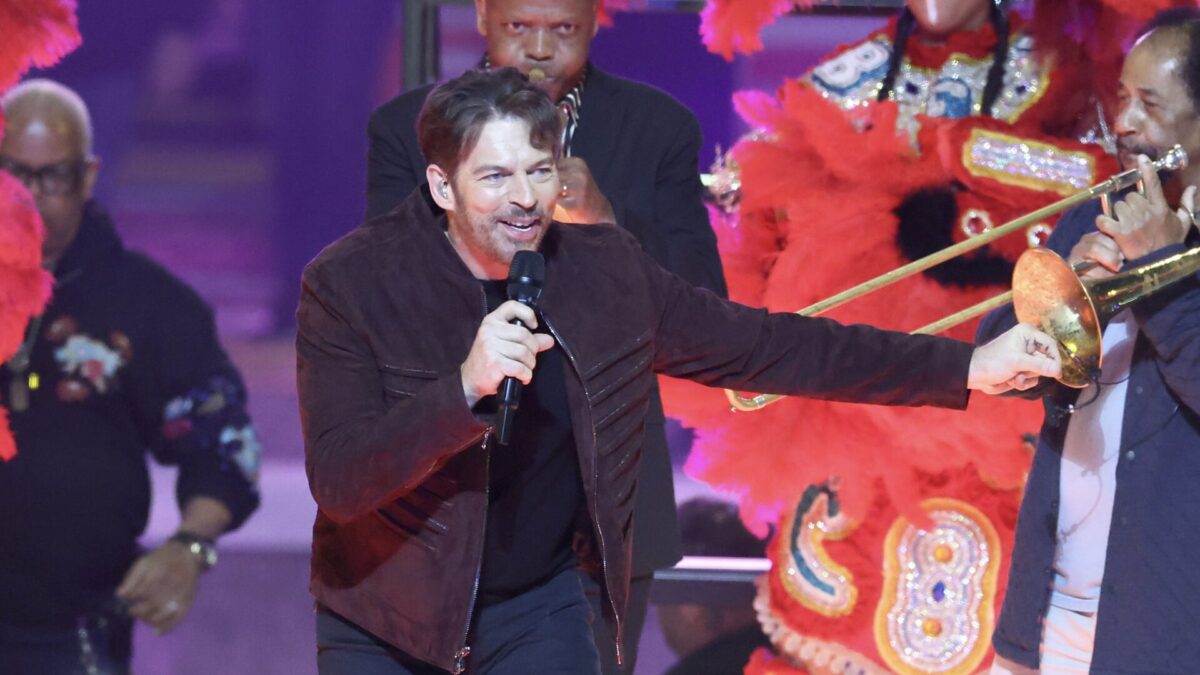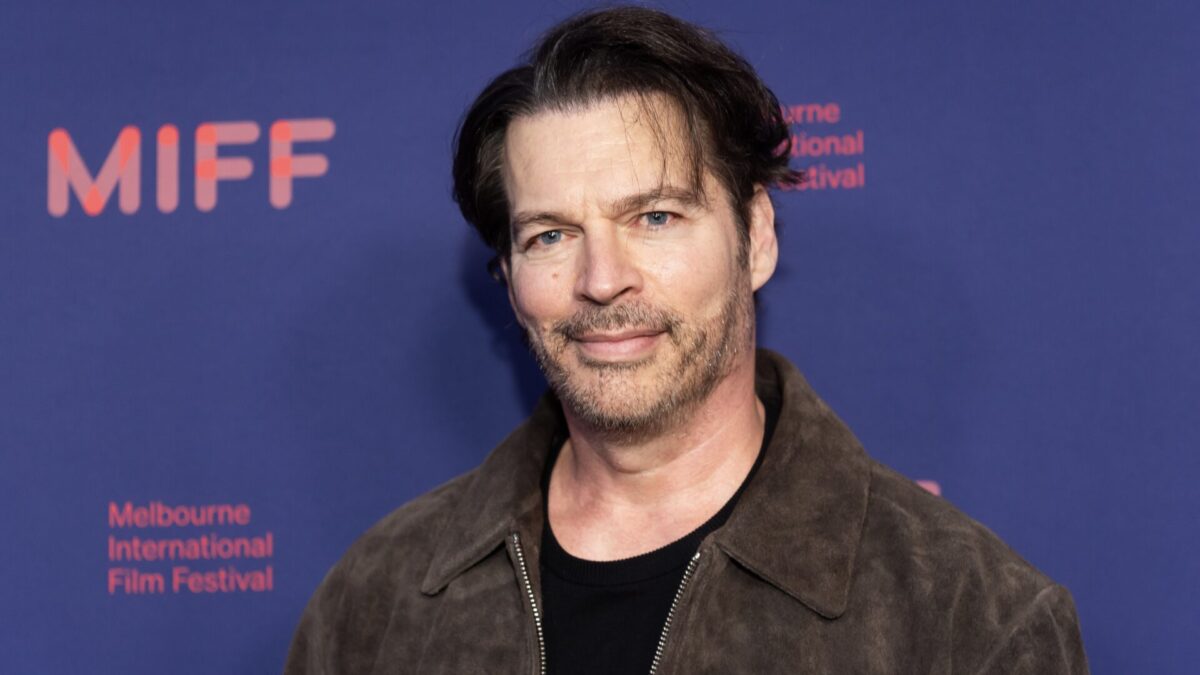
Singer, pianist and actor Harry Connick Jr. had just 13 years with his mother, but he is still discovering how much she gave him.
“She had such a limited amount of time with me, and it’s almost disproportionate to the amount of influence I think she had,” Connick said during an interview released Oct. 1 on THE VIEW.
That lasting influence sits at the heart of his new album and companion book, Babe: Elaboratio: A Tribute to My Mother. The project honors Anita-Francis Livingston Connick, whom everyone knew as Babe, and the dream she planted in a little boy at the piano.
“But for those 13 years, she really was a champion of mine and really supported me and my older sister, too,” he recalled.
Her ambition for her son came with a very specific address: Carnegie Hall. Connick recalled that, around age 10, after his mother received an ovarian cancer diagnosis, he called the New York venue from New Orleans and asked whether he could play there for her.
There was one small problem. He had reached the box office, not the people who booked performers.
Related: Harry Connick Jr. Makes His Late Mom’s Dream Come True
His mother died three years later before he could fulfill that wish. But Connick held on to it, declining invitations to perform at Carnegie Hall because he wanted his first visit to mean something more than another stop on a concert calendar.
This year, the occasion finally arrived. He made his Carnegie Hall debut on May 22, what would have been his mother’s 100th birthday, performing the orchestral work he had composed in her honor.
Even then, he said, he stayed off the stage until the performance itself. After decades of waiting, he wanted that first entrance to belong to his tribute to her.
The music reaches beyond the years they shared. According to Connick’s official project page, its three movements follow Babe’s life through New York, Morocco and New Orleans, and the recording features Orchestra Victoria in Melbourne.
On THE VIEW, Connick explained that his mother’s nickname came from being the youngest of six children. The other part of the title reflects the challenge of telling her story with only 13 years of his own memories: he elaborated, imagining portions of the life he had not witnessed.
The book gives that musical tribute another way to reach families, pairing personal photographs and passages from the score with his recollections. It is a son’s creative remembrance, not a claim that he knows every chapter of his mother’s life.
Sharing those memories did not always come easily. In a Sept. 29 interview with USA TODAY, Connick described once avoiding questions about his mother because he worried that talking about her would disturb the memories he treasured.
Now, the tribute is becoming a family project of its own: he told the outlet that he and his daughter Georgia are working on a documentary about the album and book. The daughter is helping tell the story of the grandmother.
Writing the book also broadened his perspective, Connick told THE VIEW. He came to see the project as honoring mothers beyond his own, recognizing how profoundly a woman’s love can shape her child long after their time together ends.
“I think about her every day,” he said.
Read Next: 5 Powerful Harry Connick Jr. Quotes About Faith
Questions or comments? Please write to us here.