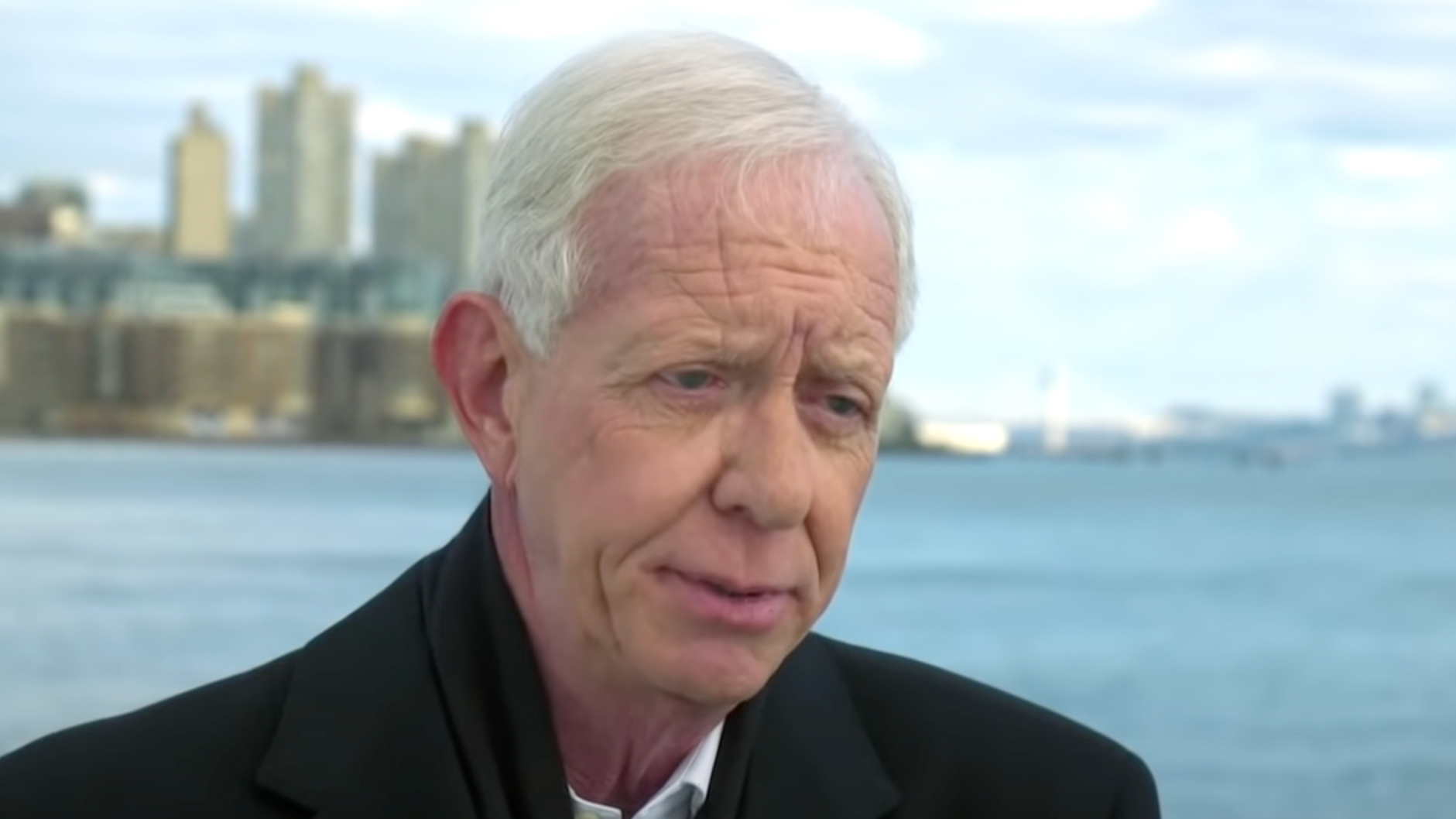
Captain Chesley “Sully” Sullenberger says familiar names, repeated stories and a growing dependence on his calendar were the small changes that preceded his Alzheimer’s diagnosis.
“One of the first things I noticed was it was harder and harder to remember people’s names, even people we knew,” the retired airline captain told Robin Roberts on GOOD MORNING AMERICA. He also described forgetting things he normally would remember, repeating himself without realizing it and checking his calendar daily to keep his commitments straight.
Sullenberger, 75, received the diagnosis in August 2025 and publicly announced it in July 2026. His September 23 interview, reported by PEOPLE, gave families a closer look at the quiet changes he and his wife, Lorrie, had first found easy to dismiss.
Those changes matter, but they are not a diagnosis by themselves. The National Institute on Aging says early symptoms vary by person; while memory trouble is common, concerns can also stem from sleep problems, medication side effects, infection and other conditions.
A proper evaluation can include the person’s and family’s observations, a medication and health review, tests of memory, attention, language and problem-solving, lab work and brain imaging. That process can uncover another cause or support an Alzheimer’s diagnosis, while earlier answers give families more time to consider treatment, safety, legal plans and support.
“An early diagnosis is so critically important. If you have doubts, get tested because the sooner you act, the more options there are, the better the outcome is likely to be,” Sullenberger said.
Sullenberger currently receives a monthly infusion intended to slow progression, not stop it. His circumstances are personal, and his advice points toward a clinician’s evaluation rather than a home diagnosis or a conclusion based on one forgotten name.
The family also had to decide whether to share deeply private news. Lorrie initially leaned toward silence, then encouraged openness so other families would not mistake disease for personal failure or hide in shame.
Their daughter Kelly joined the interview and described family time as the priority now. Sullenberger has also spoken candidly about the future burden caregiving may place on Lorrie, his wife of 37 years, while the couple takes the road ahead one day at a time.
He draws courage from Jan. 15, 2009, when a bird strike disabled both engines of US Airways Flight 1549 after takeoff from LaGuardia Airport. Sullenberger and First Officer Jeff Skiles landed on the Hudson River, and all 155 people aboard survived; Sullenberger said the crisis taught him to identify the highest priorities and act.
That same instinct now means speaking openly, accepting help and protecting time with his wife, daughters and grandchildren. It also means trying to turn a painful diagnosis into service, as he did with aviation safety after the Hudson landing.
“Though it may impact my memory of the past, this diagnosis will not prevent me from looking forward to and appreciating our future. I will navigate this chapter with my wonderful family by my side,” Sullenberger wrote in his July announcement.
His story does not ask readers to diagnose themselves or one another. It asks families to notice meaningful change, seek professional answers and meet a hard road together with honesty, practical preparation and hope.
Read Next: Captain Sully Takes Lessons from Heroic Hudson Landing into Alzheimer’s Fight
Questions or comments? Please write to us here.