Skip to content
Give
← News
Noticias Y Artículos diciembre 17, 2025

The user wants to translate the English text “CBS Announces Part 2 Of EVERYBODY LOVES RAYMOND Reunion Special” to Spanish. I need to preserve the HTML (which is just plain text in this case, but good to keep in mind for future requests). I must not translate anything in ALL CAPS. “CBS”, “EVERYBODY LOVES RAYMOND” are in all caps. The rest of the text needs to be translated. Original: “CBS Announces Part 2 Of EVERYBODY LOVES RAYMOND Reunion Special” Translation breakdown: – “CBS”: Keep as “CBS” – “Announces”: Translate to Spanish. “Anuncia” – “Part 2”: Translate to Spanish. “Parte 2” (or “segunda parte”). “Parte 2” is fine as it keeps the number. – “Of”: Translate to Spanish. “de” – “EVERYBODY LOVES RAYMOND”: Keep as “EVERYBODY LOVES RAYMOND” – “Reunion Special”: Translate to Spanish. “Especial de reunión” Putting it together: “CBS Anuncia Parte 2 de EVERYBODY LOVES RAYMOND Especial de reunión” Let’s double-check: – HTML preserved: Yes, it’s plain text. – Formatting preserved: Yes. – Embedded media: None. – Don’t translate anything in capital letters: “CBS” and “EVERYBODY LOVES RAYMOND” are untouched. – Just return the new content: Yes.

Everybody Loves Raymond
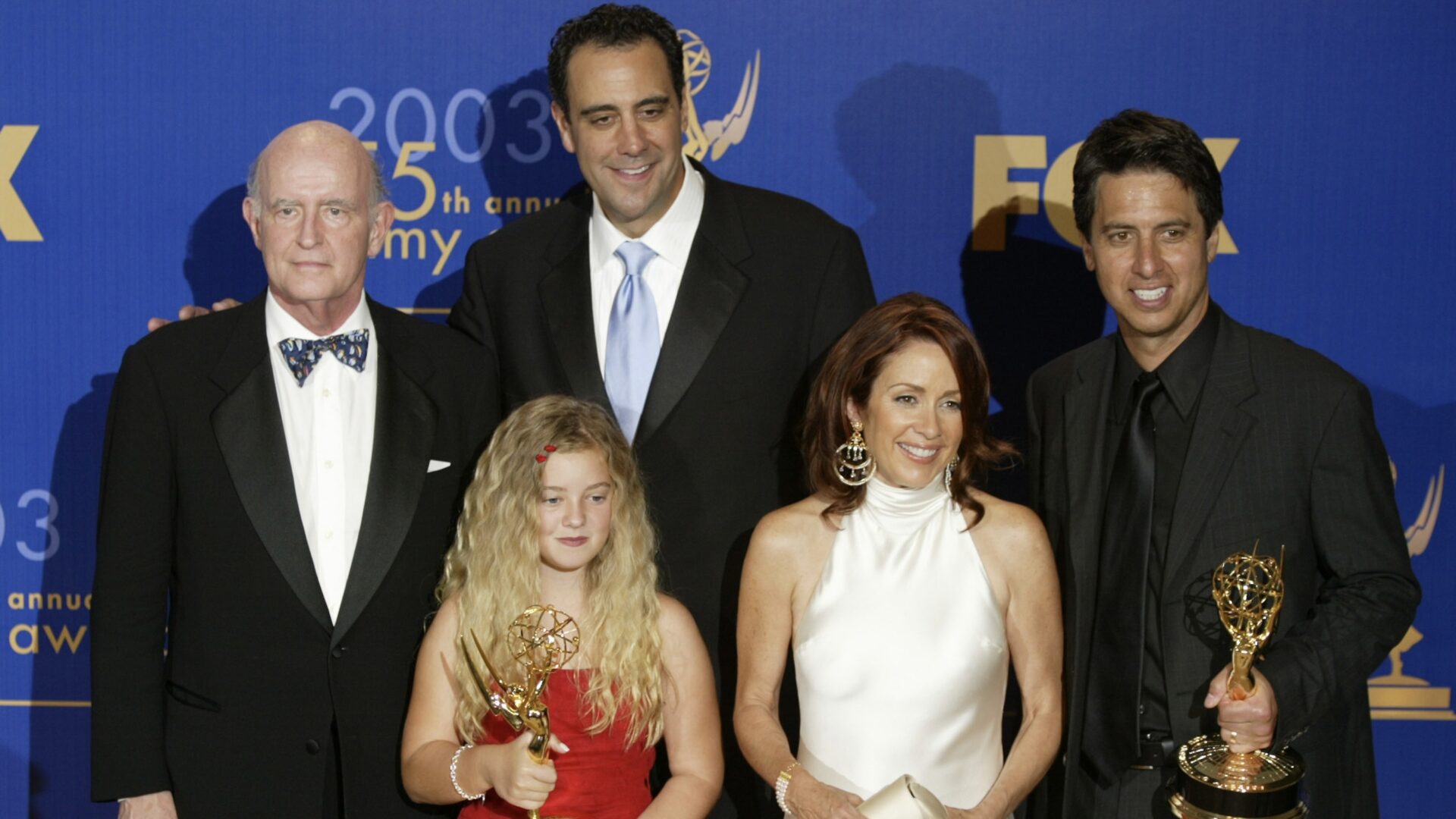
LOS ANGELES - SEPTEMBER 21: The Cast of 'Everybody Love Raymond' poses backstage during the 55th Annual Primetime Emmy Awards at the Shrine Auditorium September 21, 2003 in Los Angeles, California. (Photo by Carlo Allegri/Getty Images)

¡Prepárate para más EVERYBODY LOVE RAYMOND — una continuación de su reciente especial de reunión del 30 aniversario está en camino!

“CBS está obsequiando a los espectadores un regalo navideño extra especial esta temporada, el nuevo EVERYBODY LOVES RAYMOND: 30TH ANNIVERSARY REUNION PT. 2”, anunció un comunicado de prensa de CBS.

El comunicado continuó: “Este programa de una hora brinda a los espectadores que amaron el primer especial otra oportunidad para recordar y revivir la risa y la alegría de la serie original de CBS. La nueva transmisión sigue el éxito de EVERYBODY LOVES RAYMOND: 30TH ANNIVERSARY REUNION, que se emitió originalmente el lunes 24 de noviembre, con una retransmisión el viernes 28 de noviembre, obteniendo 10.08 millones de espectadores multiplataforma en vivo más 7 días en ambas transmisiones y streaming.”


Related: 30 Years Later: EVERYBODY LOVES RAYMOND Cast Reunites for Can’t-Miss Special

La Parte 2 del especial estará compuesta por material adicional que no se utilizó para la reunión inicial. El actor Ray Romano y el creador de la comedia Phil Rosenthal presentarán el programa, que también incluirá “nuevas presentaciones con sus reflexiones sobre el regreso al set reconstruido de RAYMOND y cómo fue reunirse con sus compañeros de reparto”, según Variety.

“El nuevo segundo especial también incluirá viejos clips clásicos que no se emitieron, y tomas falsas del programa original que no se emitieron antes”, continuó el medio. “Y el contenido adicional incluirá entrevistas no emitidas con estrellas invitadas, escritores y productores dando sus opiniones sobre la creación y el legado del programa.”

El especial de aniversario inicial se emitió en noviembre, con apariciones de Romano, Rosenthal, Patricia Heaton, Brad Garrett, Monica Horan y los hermanos Madylin y Sullivan Sweeten.

“Intenté una reunión por el 20 aniversario y una por el 25 aniversario, pero solo puedo decir que la dirección más reciente de CBS estaba interesada, y por eso estamos aquí hoy”, dijo Rosenthal a People antes del primer especial de reunión.

Romano añadió: “Sí, tuvimos problemas para conseguir que se hiciera, pero siempre quisimos hacerlo. Y este simplemente se dio.”

El comediante y actor compartió que, si bien muchos otros programas queridos han decidido reiniciar y revivir sus series, el elenco de RAYMOND nunca ha estado a favor de la idea.

“Nunca quisimos hacer el reinicio”, dijo, añadiendo, “Ni siquiera creo que nos acercáramos al elenco [sobre el especial de reunión] hasta que obtuvimos la luz verde porque habíamos asumido que estarían de acuerdo.”

EVERYBODY LOVES RAYMOND: 30TH ANNIVERSARY REUNION PT. 2 se estrenará el lunes 22 de diciembre a las 8 p.m.

Read Next: He Wrote One of the Most Popular Family Sitcoms, But That Definitely Wasn’t the Plan …

Related Stories

More News →
Scott Patterson Noticias Y Artículos The user wants to translate an English text to Spanish. I need to identify the translatable parts and the parts that should remain untranslated (capitalized words). The phrase “Why This Actor Suddenly Left SULLIVAN’S CROSSING” needs to be translated. “SULLIVAN’S CROSSING” should remain as is. Translation plan: 1. Translate “Why This Actor Suddenly Left” to Spanish. 2. Keep “SULLIVAN’S CROSSING” as is. 3. Combine them.¿Por qué este actor dejó repentinamente SULLIVAN’S CROSSING? marzo 10, 2026 Elana Meyers Taylor Noticias Y Artículos The user wants to translate the English text “US Olympian Shares the Realities of Parenting Special Needs Children” into Spanish. I need to preserve the HTML (although there isn’t any in this specific example, the instruction is general). I need to translate the content, but not anything in capital letters. The entire phrase “US Olympian Shares the Realities of Parenting Special Needs Children” is in title case, not all caps. So, everything should be translated. Let’s break it down: – “US Olympian”: “Atleta olímpico estadounidense” or “Olímpico estadounidense” (the latter is more common in headlines). – “Shares”: “Comparte” – “the Realities”: “las realidades” – “of Parenting”: “de criar” or “de la paternidad/maternidad” or “de ser padre/madre” (the first one “de criar” fits well with “niños”). – “Special Needs Children”: “niños con necesidades especiales” or “niños con capacidades diferentes” (the former is more common and direct). Combining them: Option 1: “Atleta olímpico estadounidense comparte las realidades de criar niños con necesidades especiales” Option 2: “Olímpico estadounidense comparte las realidades de la paternidad con niños con necesidades especiales” “Criar niños con necesidades especiales” seems to capture “parenting special needs children” more accurately than “paternidad con niños con necesidades especiales”. Let’s go with “Atleta olímpico estadounidense comparte las realidades de criar niños con necesidades especiales”. It’s natural and accurate. There’s no HTML, formatting, or embedded media to preserve in this specific input.</думай>Atleta olímpico estadounidense comparte las realidades de criar niños con necesidades especiales febrero 18, 2026 Nicole C. Mullen Noticias Y Artículos SILENT THOUGHT: The user wants me to translate the English text “Grammy-Nominated Singer Points Victims of Abuse Toward God: ‘He Cares'” into Spanish. I need to preserve the formatting (which is plain text in this case) and not translate anything in ALL CAPS. The ALL CAPS parts are: GRAMMY, GOD. (Ah, wait, “Grammy-Nominated” is an adjective, but “Grammy” itself is a proper noun, a specific award. So “Grammy” should not be translated. “God” is also not to be translated). Let’s break down the sentence: – “Grammy-Nominated Singer” -> “Cantante nominado al GRAMMY” (Keeping GRAMMY) – “Points Victims of Abuse” -> “señala a las víctimas de abuso” – “Toward God:” -> “hacia DIOS:” (Keeping DIOS) – “‘He Cares'” -> “‘Él se preocupa'” / “‘A Él le importa'” / “‘Él cuida'” Combining them: “Cantante nominado al GRAMMY señala a las víctimas de abuso hacia DIOS: ‘Él se preocupa'” This looks good. I have preserved “GRAMMY” and “DIOS” as requested. enero 20, 2026 Chynna Phillips Noticias Y Artículos SILENT THOUGHT: The user wants me to translate the English text “Pop Singer Shares Powerful Testimony of Healing, Faith and Redemption” into Spanish. I need to make sure to: – Translate the content from en to es. – Preserve HTML, formatting, and embedded media (not applicable here as it’s plain text). – Not translate anything in ALL CAPS (not applicable here as there are no all-caps words). – Just return the new content. The text “Pop Singer Shares Powerful Testimony of Healing, Faith and Redemption” will become “Cantante pop comparte poderoso testimonio de sanación, fe y redención”. diciembre 8, 2025 Tim Tebow Noticias Y Artículos SILENT THOUGHTS: The user wants me to translate the English text “What Fatherhood Taught Tim Tebow About Faith” into Spanish, while preserving HTML (though there’s none in this simple text), formatting (which is plain text), and embedded media (none here). The key instruction is “Don’t translate anything in capital letters.” The only capitalized words are “Fatherhood”, “Taught”, “Tim”, “Tebow”, “About”, “Faith”, and “What”. Oh wait, “Tim Tebow” is a proper name, and should be capitalized. “What Fatherhood Taught Tim Tebow About Faith” – all words are capitalized. This means I should not translate anything. This feels like a trick question or a misinterpretation on my part. Let’s re-read carefully: “Don’t translate anything in capital letters.” If the input is “What Fatherhood Taught Tim Tebow About Faith”, and *every word* starts with a capital letter, then literally, I should not translate *any* word. This would result in: “What Fatherhood Taught Tim Tebow About Faith” Is this the intended behavior? Usually, when instructions say “don’t translate X”, it means if a word *is* X (e.g., all caps like “USA”, or a specific tag like “), then don’t touch it. However, the instruction is “Don’t translate anything in *capital letters*.” It doesn’t say “don’t translate words that are ALL CAPS”. It says “in capital letters”. If a letter is capital, it shouldn’t be translated. This is a very ambiguous instruction. Let’s consider common interpretations: 1. **Strict literal interpretation:** Any character that is uppercase should not be translated. This is nonsensical in the context of translation, as it would mean I can’t change “W” to “¿Q” or “F” to “P”. This would imply no translation can happen if the original starts with a capital letter, which is common for titles. 2. **More common interpretation for “Don’t translate X” in localization:** “Don’t translate strings that are entirely in ALL CAPS” or “Don’t translate proper nouns/brand names if they are capitalized”. 3. **If a word *begins* with a capital letter, don’t translate that word.** This would mean the entire phrase isn’t translated. Given the phrasing “Don’t translate anything in capital letters,” it could very well mean “if a word is in capital letters (e.g., ‘USA’, ‘NATO’) then don’t translate it.” But here, the words are “What”, “Fatherhood”, “Taught”, “Tim”, “Tebow”, “About”, “Faith”. None of these are *fully* in capital letters, except potentially if one interprets “in capital letters” as “starts with a capital letter”. Let’s test this interpretation: “Don’t translate words that start with a capital letter.” In “What Fatherhood Taught Tim Tebow About Faith”, every word starts with a capital letter. So, the output would be “What Fatherhood Taught Tim Tebow About Faith”. This seems too simple and not helpful for a translation task. Could “in capital letters” refer to *only* words that are fully capitalized, like “USA” or “NATO”? If so, then *no words* in the given phrase “What Fatherhood Taught Tim Tebow About Faith” fit this criterion. This would mean I *should* translate everything. Let’s go with the most reasonable interpretation for a translation task that involves a title. The instruction “Don’t translate anything in capital letters” likely refers to strings that are *entirely* in uppercase (like acronyms, or specific codes). Since “What Fatherhood Taught Tim Tebow About Faith” is a title, each word is capitalized, but no word is entirely uppercase. “Tim Tebow” is a proper name, which should generally not be translated anyway, though its capitalization is relevant. So, if no words are fully uppercase, I should translate the rest. “What Fatherhood Taught Tim Tebow About Faith” “What” -> “¿Qué” “Fatherhood” -> “la paternidad” (or “ser padre”) “Taught” -> “le enseñó” (to him) “Tim Tebow” -> Tim Tebow (proper name) “About” -> “sobre” “Faith” -> “la fe” Putting it together: “¿Qué le enseñó la paternidad a Tim Tebow sobre la fe?” “¿Qué le enseñó a Tim Tebow la paternidad sobre la fe?” (more natural flow) Let’s re-evaluate “Don’t translate anything in capital letters.” This phrasing is quite awkward. If it meant “don’t translate words that are all caps”, then no words in the input qualify. If it meant “don’t translate words that start with a capital letter”, then every word qualifies, and I should return the original. Let’s assume the user meant “Don’t translate *words written in ALL CAPS*”. This is a common instruction to preserve acronyms, brands, etc. Since there are no ALL CAPS words in the input (“What Fatherhood Taught Tim Tebow About Faith”), I should translate the entire phrase. The phrase is a title, so in Spanish, only the first word and proper nouns are capitalized. Original: “What Fatherhood Taught Tim Tebow About Faith” Translation: “¿Qué le enseñó la paternidad a Tim Tebow sobre la fe?” This seems like the most practical and useful interpretation of the request, despite the slightly ambiguous wording of “anything in capital letters”. If the user really meant “don’t translate *any word that starts with a capital letter*”, they should have been clearer, as it would render most translation requests for titles untranslatable. Final check on interpretation: “Don’t translate anything in capital letters.” Could it mean “don’t translate the capital letters themselves”? E.g., if “A” appears, don’t change “A” to “A”. This is also nonsensical. The only sensible interpretation that aligns with common translation tasks is “don’t translate strings/words that are entirely in ALL CAPS”. Let’s apply this: Input: “What Fatherhood Taught Tim Tebow About Faith” Are there any words that are entirely in ALL CAPS? No. Therefore, translate everything. “What Fatherhood Taught Tim Tebow About Faith” -> “¿Qué le enseñó la paternidad a Tim Tebow sobre la fe?” This also respects the implicit rule of not translating proper nouns like “Tim Tebow”. And standard Spanish title capitalization: first word capitalized, rest lowercase unless proper noun. Let’s ensure the output format is correct: “Just return the new content.” No HTML in the input, so no HTML in the output. No embedded media. Plain text. noviembre 11, 2025 parent, child, phone, scrolling Parenting & Media Wisdom SILENT THOUGHT: The user wants me to translate the English text into Spanish. I need to preserve the HTML formatting and embedded media, though in this case, the input is plain text so there’s no HTML or media to preserve. The instruction “Don’t translate anything in capital letters” is very important. I must identify any words in all caps and leave them as they are in the Spanish translation. The input is “Want Healthier Screen Habits for Your Kids? Start With Your Own Phone”. There are no words in all caps here. So I will translate the entire phrase into Spanish. “Want Healthier Screen Habits for Your Kids?” -> “¿Quieres hábitos de pantalla más saludables para tus hijos?” “Start With Your Own Phone” -> “Empieza con tu propio teléfono” Combine them: “¿Quieres hábitos de pantalla más saludables para tus hijos? Empieza con tu propio teléfono” agosto 29, 2026