ARCTIC TALE
A riveting Arctic adventure weighed down by controversial conclusions.
Should You Watch It?
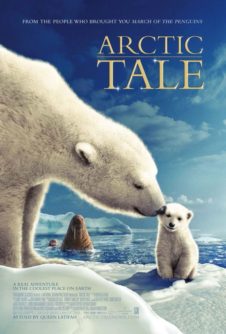
ARCTIC TALE is a dramatic, riveting wilderness movie with a classic feel. Queen Latifah narrates as “The Storyteller,” following Nanu, a young polar bear, and Seela, a young walrus, as they struggle to survive while the ice flows they depend on vanish.
The film’s central environmental concern gives the animals’ journey urgency. But the source review objects to the movie’s link between shrinking ice flows and man-made global warming, calling that connection insufficiently established. The ending goes further, placing these conclusions and proposed solutions in the mouths of innocent children.
The practical answer is clear: discerning adults may find the animal adventure worth watching, but this is not a family choice for children or young teens.
The Story
NO SPOILERS — WE KEEP THE SURPRISESNanu, a young polar bear, and Seela, a young walrus, live in the Arctic near the North Pole. As the ice flows vanish, both animals must seek refuge on a distant island a week’s swim away.
There, survival becomes difficult and dangerous. Nanu faces starvation, while Seela risks being eaten by one of Nanu’s fellow polar bears.
Is It Any Good?
Three stars means ARCTIC TALE is a good but imperfect film. It is a dramatic and riveting wilderness adventure, presented in the tradition of the animal movies made in the 1950s and 1960s.
The young polar bear and walrus face clear, urgent dangers, and the changing Arctic environment gives their struggle emotional weight. The film’s weakness is its ending, which turns the nature drama into a vehicle for controversial environmental conclusions. The source review also considers MARCH OF THE PENGUINS a much better movie.
The Worldview
ARCTIC TALE presents a light humanist worldview. It treats the survival of Arctic animals as its central concern and links vanishing ice flows to man-made global warming. The source review considers that connection insufficiently established and objects to the film’s presentation of global warming claims and solutions as settled conclusions rather than matters for viewers to examine.
The ending uses children to encourage young viewers to ask their teachers about global warming. The source review regards this as propaganda and argues that children and parents should examine the evidence for and against the film’s theories and solutions for themselves.
The movie also deliberately focuses on female animals and presents mostly negative depictions of male animals, who mostly occupy mating roles. The source review finds this potentially encouraging a bizarre feminist agenda.
Christians can affirm concern for animals and the world God made while testing every proposed explanation and solution carefully. Scripture says God put humanity in the garden “to work it and keep it” (Genesis 2:15).
The Content Guide
The specifics — spoilers included by nature — so you can judge for your own family.
Content Summary
Light humanist worldview with very strong environmentalist content supporting dubious “global warming” issues and solutions, especially at the end where children are used for dubious propaganda purposes; no foul language; some mild scenes of predatory animals hunting other animals and animals eating captured prey; some light references to animal mating and birthing; no nudity; no alcohol; no smoking; and, movie deliberately, and in a strange way, focuses on female animals and presents mostly negative depictions of male animals, who mostly occupy mating roles, which possibly encourages some kind of obtuse, bizarre feminist agenda.
Talk About It
Questions for the drive home, the dinner table, or the youth group.
How should we respond when a movie presents a scientific or cultural claim as settled? What does it mean to examine an issue carefully?
Acts 17:11 · Proverbs 18:17What responsibilities do people have toward animals and the natural world?
Genesis 2:15 · Proverbs 12:10How can adults help children think about controversial questions without simply handing them a conclusion?
Deuteronomy 6:6–7 · James 1:19What is the difference between caring about creation and making creation the center of our hope?
Romans 1:25 · Colossians 1:16–17The Final Word
ARCTIC TALE offers a gripping animal adventure with real dramatic force, but its ending turns a nature story into controversial environmental advocacy. Discerning adults may find it worthwhile; families with children or young teens should choose something else. WORTH THE TRIP — ADULTS ONLY. For a different family movie night, see.