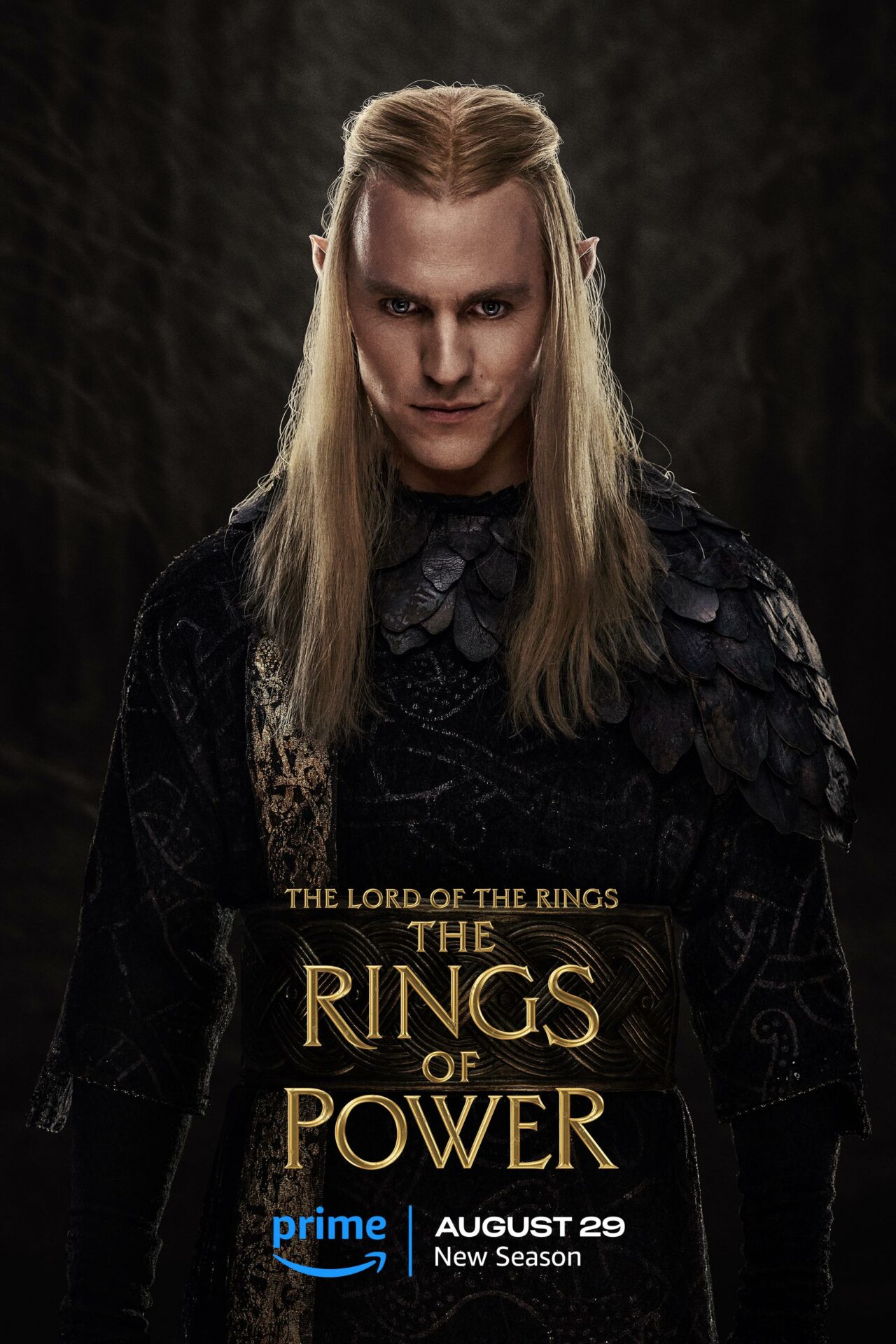
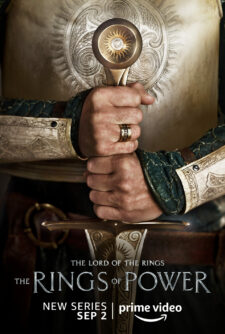
THE LORD OF THE RINGS: THE RINGS OF POWER: Episode 3.1
A fresh return to Tolkien’s world, where temptation meets its match.
Should You Watch It?
Yes. If you wait to return to Middle-earth, the season three premiere offers plenty of reasons to make the journey. "Marnûkh" brings back the sweeping landscapes, elaborate worldbuilding, and epic conflicts that have become defining features of the series.
However, beneath the spectacle lies a darker story about the consequences of power, the cost of loyalty, and the danger of surrendering one's identity for something that promises security. The episode proves particularly compelling in its exploration of temptation.
Characters face opportunities to gain power, escape suffering, or secure their futures, but those opportunities often come at a high moral cost. The episode explores Galadriel's past, revealing themes of loneliness and personal loss.
That said, this return to Middle-earth proves far from lighthearted. You'll see intense battles, disturbing imagery, and themes of manipulation and political oppression. Fans of expansive fantasy will find plenty to appreciate, but viewers seeking lighter entertainment may find this journey more exhausting than enjoyable. Younger viewers need to sit this one out, as the battles get brutal and the imagery is no fairy-tale fun.
The Story
NO SPOILERS — WE KEEP THE SURPRISESFive years into the battle with Sauron, Galadriel and Arondir fight the orcs to keep Sauron’s forces in check. Sauron searches for a way to corrupt the elvish rings while he builds up his army with the ranks of men. Meanwhile, Durin prepares his kingdom for his older brother Thrain’s arrival in Khazad-dûm.
Is It Any Good?
Three stars mean a rich story with beautiful performances that struggles slightly with pacing. "Marnûkh" marks a strong return to Middle-earth, demonstrating technical ambition and visual craftsmanship that set the series apart. The cinematography impresses, the environments immerse, and the action sequences execute particularly well.
Bear McCreary's musical score also deserves recognition for adding emotional depth and intensity to several pivotal moments. The performances shine. Charlie Vickers continues to make Sauron an intimidating, calculated antagonist.
At the same time, Morfydd Clark brings compelling vulnerability to Galadriel, and the introduction of Celeborn adds an interesting emotional dimension to her character. Owain Arthur remains a particular joy as Durin IV.
The episode sometimes struggles with pacing. Its many characters and competing storylines leave some developments rushed while others drag, particularly the Dwarven storyline. Still, the premiere establishes the season's stakes and gives viewers plenty of reasons to tune in again.
The Worldview
This episode has a strong moral worldview, though a humanist view of hope weakens it some. At heart, the episode wrestles with an old human problem: the hunger for power, the pull of temptation, and the urge to control.
Sauron stands out as a villain because he almost never presents evil as obvious destruction. He hands people what they already want: freedom, restoration, security, and authority. His gifts look like blessings, but each one comes with a price, and that price always boils down to submission. In Matthew 4:8 to 10, Satan shows Jesus all the kingdoms of the world and offers them for one act of worship. The episode shows how easily people trade their convictions for instant satisfaction.
The treatment of the Southlanders raises big questions about human dignity and the abuse of authority. Númenor exploits an oppressed people, and the show makes plain how fast a society abandons its moral principles once power and national ambition matter more than the welfare of others. That lines up with Scripture’s call to protect the vulnerable.
Still, the episode offers a thin idea of hope. Its characters look for security in strength, alliances, and sheer determination, and few reach for a deeper hope that no human power can build. Even so, it sees the damage unchecked ambition does and honors those who choose loyalty over personal gain. Its greatest strength? It shows that evil rarely tells the truth about itself. More often, it shows up in the costume of exactly what we think we need.
The Content Guide
The specifics — spoilers included by nature — so you can judge for your own family.
Content Summary
Dominant Worldview and Other Worldview Content/Elements
Strong moral, biblical worldview that stresses loyalty, friendship, and human dignity, as several characters resist temptation and refuse to abuse power. Humanist elements as characters seek security through strength, alliances, and personal determination rather than a higher hope. Light occult elements involving Sauron’s enchanted Rings and dark powers
Foul Language
Four obscenities, including three “a” words and one “s” word
Violence
Battle sequences kill many characters without excessive blood, an Orc burns alive after he tests one of Sauron’s Rings, several men must fight to the death to win a Ring, Theo receives twelve lashes as punishment, and a decaying corpse sits on display in Sauron’s fortress
Sex
No sex, but two characters kiss
Nudity
No nudity
Alcohol Use
Dwarves drink ale during a celebration
Smoking and/or Drug Use and Abuse
No smoking or drug use;
Miscellaneous Immorality
A man tries to lure a married woman into adultery, but she refuses, and the villain uses dishonesty, manipulation, greed, ambition, and betrayal, while several characters abuse their authority and enslave others.
Talk About It
Questions for the drive home, the dinner table, or the youth group.
Sauron offers power and restoration through the Rings, making his gifts appear desirable despite the corruption they bring. Why are people often more vulnerable to temptation when evil presents itself as something good? 2 Corinthians 11:14
Khamûl's accepts Sauron's Ring in order to free his people from the Dark Wizard. At what point is the promise of a better future not worth the sacrifice of one's integrity? Hebrews 12:16–17
Theo's treatment as a worker in Pelargir highlights the suffering of ordinary people caught in conflicts driven by powerful individuals. How should people respond when they witness suffering they cannot immediately stop? Isaiah 1:17
The Final Word
THE LORD OF THE RINGS: THE RINGS OF POWER returns to Tolkien’s world with gorgeous visuals and themes worth the time. Its look at temptation, power, and human suffering opens the door to rich family discussion. The pacing drags at times under the weight of so many storylines, but the Season 3 premiere lays a solid foundation for what comes next. Above all, the episode drives home one truth: evil seldom announces itself. It shows up with an offer. Heavy content makes this premiere best for older teens and up, and families should watch with discernment.