SESAME STREET :Episodes 1.1-1.3
A beloved neighbor returns, as warm and well-made as ever.
Should You Watch It?
Sesame Street doesn't need to prove itself, and these first three episodes of Season 56 don't try to reinvent what already works. They simply do it well. The puppetry is as good as ever, the songs are catchy, and the new animated "Tales from 123" segments add fresh texture without losing the show's familiar rhythm.
The worldview underneath it all is genuinely strong — neighborliness, patience, kindness to friends, honesty about mistakes. The one wrinkle is small: a fairy character tends a magical garden of creatures. It's a minor fantasy element in a show that otherwise stays grounded in real community life, and it doesn't play a significant role in these episodes.
There's also a production quibble — the same "Tales from 123" segment reruns by episode three, oddly early in the season. That's a nitpick, not a reason to skip it. This one is easy: let your kids watch.
The Story
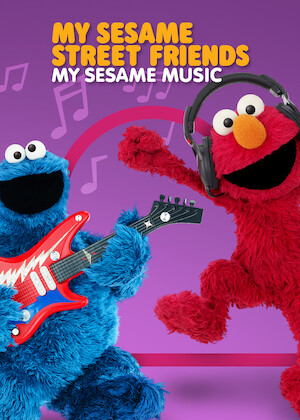
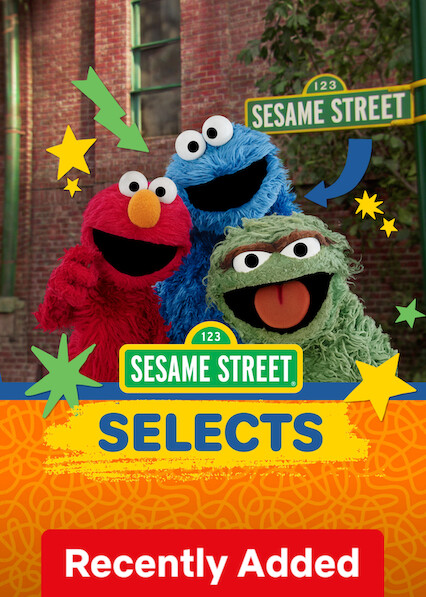
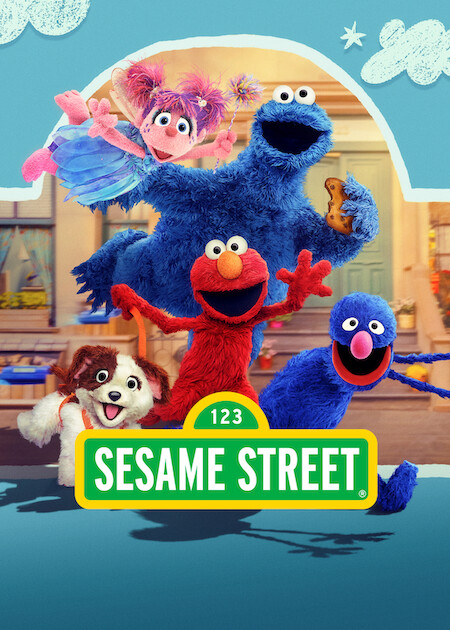
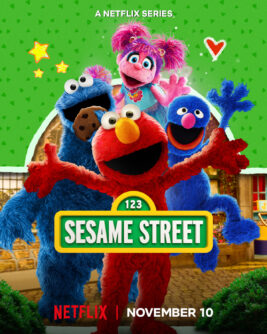
NO SPOILERS — WE KEEP THE SURPRISESSesame Street returns for its 56th season, now streaming with Netflix, bringing back Elmo, Cookie Monster, Abby, Grover, and the rest of the neighborhood — plus a new animated feature, "Tales from 123," that lets viewers spend more time with the residents of 123 Sesame Street. Across these episodes: a friendly race, a batch of cookies, a missing key, and a magical creature loose in the neighborhood. That's as far as we'll go.
Is It Any Good?
Four stars means this is Sesame Street at its best, and the craft shows it. The puppetry is impressive, the scenarios are genuinely fun, and the music does what Sesame Street music has always done — it teaches while it entertains. Each episode's four-segment structure (main story, "Tales from 123," Cookie Monster's Food Truck, Elmo's World) keeps pacing brisk and age-appropriate.
The only real misstep is a small one: the new "Tales from 123" segment reruns within the first three episodes, which feels premature for a freshly launched season. It's a minor production hiccup in an otherwise excellent, well-made show for young children.
The Worldview
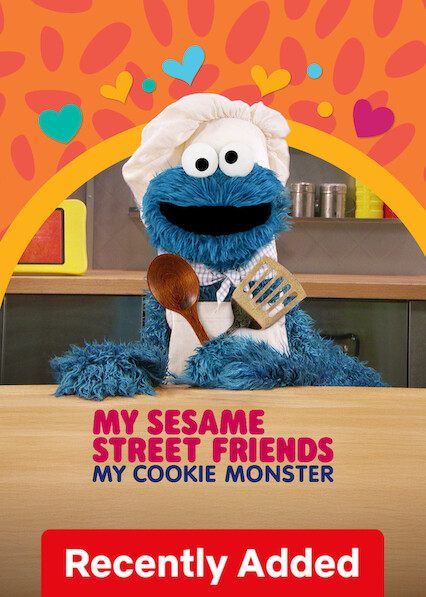
These episodes carry a strong biblical worldview, and it's the best reason to let your kids watch. Elmo learns that ignoring his own needs — skipping lunch to keep racing — only defeats him; eating, resting, and being honest with himself is what lets him finally succeed. Cookie Monster, hurt when Elmo turns down a cookie, responds not with resentment but with patience and, eventually, a gift of reconciliation. Across all three episodes, the neighborhood solves problems together: sharing, searching for a lost key as a community, helping a friend in trouble. This is neighbor-love in miniature, week after week.
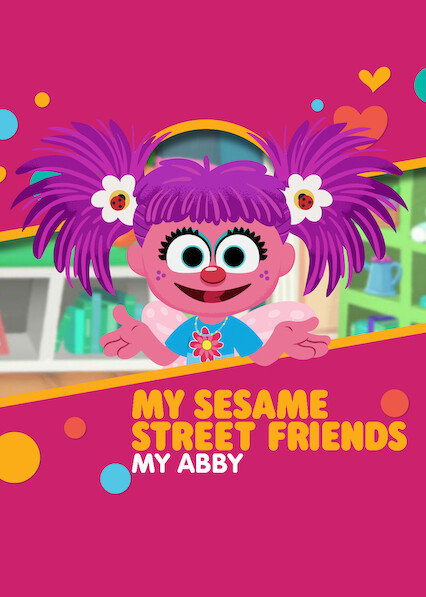
The one worldview caution is small but real: Abby's magical garden of creatures introduces a Pagan element, a fairy character with power that doesn't come from the show's usual grounded, communal world. The source material is clear that this character and creature don't carry significant weight in these episodes, and it shouldn't derail the show's overall message — but parents who want to talk with young kids about the difference between magic and the real kindness modeled elsewhere in the show now have an easy opening to do so.
What the show gets right, it gets right on purpose: community, patience, and treating your neighbor well are not incidental themes here, they're the whole point. Scripture puts the same call plainly — "You shall love your neighbor as yourself" (Mark 12:31).
The Content Guide
The specifics — spoilers included by nature — so you can judge for your own family.
Dominant Worldview and Other Worldview Content/Elements
A Biblical worldview focuses on living with your neighbor and treating everyone with kindness. However, there is a Pagan element as a fairy character has a magical creature garden. It is important to note that the character and beast do not play a big role in the show
Foul Language
No foul language
Violence
No violence
Sex
No sex
Nudity
No nudity
Alcohol Use
No alcohol
Smoking and/or Drug Use and Abuse
None;
Miscellaneous Immorality
A character attempts to steal another character’s meal.
Talk About It
Questions for the drive home, the dinner table, or the youth group.
Elmo keeps losing his race because he skips lunch. Why do you think taking care of yourself — eating, resting — matters before you try to help or compete with others?
Ecclesiastes 4:6 · 1 Corinthians 6:19–20When Cookie Monster hurts Elmo's feelings by accident, he doesn't get defensive — he tries to make it right. What does it look like in your house to apologize well?
Matthew 5:23–24 · Colossians 3:13The whole neighborhood works together to find Cookie Monster's key. Why do you think Sesame Street keeps telling stories about neighbors helping neighbors?
Mark 12:31 · Galatians 6:2Abby's garden has magical creatures in it. How is that kind of pretend magic different from the real kindness and problem-solving the other characters show all episode long?
1 John 4:1 · Philippians 4:8The Final Word
This is Sesame Street doing what it has always done best — teaching patience, kindness, and community through puppets your kids already love. One small fairy-garden detour and a rerun quirk are the only marks against an otherwise excellent season opener. Our answer stands: worth watching.