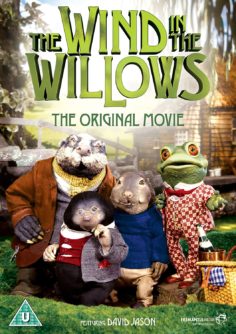
THE WIND IN THE WILLOWS
A charming moral fantasy worth sharing across generations.
Should You Watch It?
This version of The Wind in the Willows offers imaginative fantasy and clear moral substance. It makes strong points about cooperation, responsibility, courage, civility, and virtue. Children can enjoy talking animals, talking clocks, and a talking sun while seeing foolishness challenged and friendship put to work.
The film’s central conflict pits greedy, cruel developers against characters who value a quieter and more genteel way of life. Mr. Toad’s irresponsibility is also placed plainly before viewers. Still, the movie does not reprimand him for escaping from jail and stealing a train to return to Toad Hall.
That lapse calls for a little family discussion, but it does not erase the film’s considerable charm. If you want a morally purposeful fantasy for your family, this is worth seeing.
The Story
NO SPOILERS — WE KEEP THE SURPRISESWhen earth-moving equipment destroys Mole’s tidy underground home, Mole turns to Rat for help. Together, they seek out Mr. Toad, the reckless heir of Toad Hall, whose love of modern gadgets has put his family’s property at risk.
As greedy weasels move to seize Toad Hall and control the river, Mole, Rat, Toad, and Badger must overcome their differences and work together to save their home.
Is It Any Good?
Three stars means a wonderful, imaginative fantasy with noticeable limitations. The film brings Kenneth Grahame’s story to the screen with talking animals, a talking sun, talking clocks, and a world where fantasy reigns.
Its human actors portray animals with minimal make-up, creating a fanciful, stage-like style with a distinctly European flavor. The approach was used successfully in a BBC adaptation of The Chronicles of Narnia, but the review questions whether American audiences would readily accept it in a theatrical movie.
The film is more faithful to the original work than Disney’s animated version, yet its unusual presentation may not appeal to everyone. Even so, its moral themes and imaginative world make it worthwhile.
The Worldview
The film presents a worldview of romantic anti-modernity and pro-civility. The noisy, common way of life is set against the quiet and genteel, with the weasels representing greedy, cruel development and Mole, Rat, Badger, and Toad representing a more civil order.
It exalts cooperation, responsibility, courage, civility, and virtue. Toad is a foolish heir who must come to grips with his responsibilities, while the weasels’ greed threatens both the river and its inhabitants. The story also includes repentance, contrition, and forgiveness.
The film’s moral framework is broadly compatible with biblical calls to wisdom, stewardship, courage, and neighborly concern. But it weakens moral accountability when Toad escapes from jail and steals a train without being reprimanded for those actions. Its preference for a genteel life is a cultural ideal rather than a complete biblical account of righteousness.
The film’s central call to live wisely and justly echoes Scripture: “He has told you, O man, what is good; and what does the LORD require of you but to do justice, and to love kindness, and to walk humbly with your God?” (Micah 6:8)
The Content Guide
The specifics — spoilers included by nature — so you can judge for your own family.
Content Summary
Romantic anti-modernity & pro-civility worldview with repentance, contrition & forgiveness; no foul language; some slapstick violence, some threats of violence & some dark scenes which may be frightening to little children; some debauchery in banquet scene; and, miscellaneous immorality including escape from jail disguised as a woman, theft of car & train & some lying.
Talk About It
Questions for the drive home, the dinner table, or the youth group.
Toad spends his family fortune on modern gadgets. What is the difference between enjoying possessions and being ruled by them?
Matthew 6:19–21 · Luke 12:15Mole, Rat, Badger, and Toad must cooperate despite their differences. What does faithful cooperation look like in your family or community?
Ecclesiastes 4:9–10 · Philippians 2:3–4The weasels want to control the river and use its animals for their factory. What responsibilities do people have toward creation and their neighbors?
Genesis 2:15 · Proverbs 31:8–9Toad escapes from jail and steals a train without being reprimanded. Why do good intentions not make every action right?
Romans 3:8 · 1 Peter 2:13–17The Final Word
This imaginative fantasy offers children and adults a lively story about responsibility, courage, cooperation, and civility. Its unusual style and a few moral lapses call for discernment, but its virtues are substantial. For families seeking good, fun moral entertainment, WORTH THE TRIP.