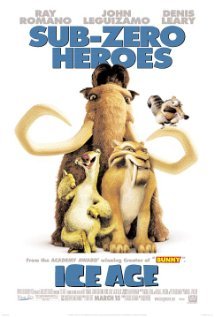
ICE AGE
An animated adventure where unlikely friends find strength in unity.
Should You Watch It?
Ice Age is a fun, well-made animated adventure with fantastic animation and voice performances that add humor for adults. Its strongest ideas are deeply positive: loyalty within marriage, laying down one’s life for another, and the necessity of unity before victory.
The film also includes scary frozen creatures, volcanic eruptions, avalanches, dangerous sliding and sledding, and slapstick cartoon violence. Those elements may disturb children who are too young to evaluate them critically, even in cartoon form.
For most children over five and all adults, this is a worthwhile family choice. Use more discernment with younger or easily frightened children.
The Story
NO SPOILERS — WE KEEP THE SURPRISESSid the sloth and Manfred the mammoth become unlikely traveling companions while escaping the coming ice age. After rescuing a human baby, they set out to reunite him with his father.
A saber-toothed tiger named Diego joins them for reasons of his own. As the group crosses dangerous icy passes and encounters other creatures, their reluctant journey begins to change them.
Is It Any Good?
Four stars means this is a strong entertainment choice. The animation is fantastic, and the voice talents—especially Dennis Leary’s—add humor that adults can enjoy alongside their children.
The film balances comedy, adventure, and emotional moments. Its slapstick action and scary sequences may be too much for very young viewers, but the overall result is a fun animated comedy-adventure with meaningful moral elements.
The Worldview
Ice Age includes politically correct elements involving environmentalism, anti-hunting sentiments, evolutionary portrayals, possible homosexual inferences, and jabs at fear-based “end of the world” religious zealots. These ideas are light and subtle, and some will go over children’s heads.
The film’s stronger moral vision points in a better direction. Manfred endorses loyalty within marriage, and the story presents a life laid down sacrificially for another. It also strongly portrays the necessity of unity before victory. The film’s central movement is from isolation and resistance toward cooperation, care, and shared purpose.
That emphasis on belonging and self-sacrifice connects with the biblical wisdom that “two are better than one, because they have a good reward for their toil” (Ecclesiastes 4:9).
The Content Guide
The specifics — spoilers included by nature — so you can judge for your own family.
Content Summary
Politically correct worldview stressing the environment (global warming) and anti-hunting sentiments (“I don’t like animals that kill for pleasure”) and evolutionary portrayals (people had some sharp caveman-type features and no apparent advanced language skills); some moral, redemptive elements with mammoth preaching loyalty within marriage and another creature laying down life sacrificially, although disparaging humor was had at the expense of some birds who warned, “The end is near” and chanted, “Doom on you,” (a subtle but probable jab at religious prophets); very subtle nod to homosexuality, though it will go over children’s heads (for example, two male rhinos are traveling alone through wilderness and one saves last dandelion for the other to eat and when sloth takes it, charges him because “He ruined our salad” and the two find a mud jaccuzi, etc.); no foul language except for one “shut up” and some scatological humor; typical slapstick cartoon violence with characters getting heads tromped, electrocuted (but still living, of course), hitting, tackling, falling, getting crushed, burned, etc., some scary elements seen in tour of ancient frozen pass featuring open-fanged dinosaur-type creatures and ancient sea creatures and volcanic eruptions, avalanches and walls close in on creatures and human mother jumps over cliff and dies by drowning after saving her baby (but drowning implied, not shown); no sex; nude baby; no alcohol; no smoking; and, lying and stealing.
Talk About It
Questions for the drive home, the dinner table, or the youth group.
Manfred learns that unity is necessary before victory. What makes it difficult to accept help, and how can unity serve others?
Ecclesiastes 4:9–10 · Philippians 2:3–4The film presents loyalty within marriage as important. What does faithfulness look like when a relationship is difficult?
Genesis 2:24 · Ephesians 5:25One character must consider whether to sacrifice himself for another. Why does sacrificial love matter, and where do we see it most clearly?
John 15:13 · Philippians 2:5–8The characters encounter warnings about the end of the world. How should Christians respond to fear without mocking sincere spiritual concerns?
2 Timothy 1:7 · 1 Peter 3:15The Final Word
Ice Age offers strong animation, adult-friendly humor, and a heartfelt case for loyalty, sacrifice, and unity. Its slapstick violence and scary images make it unsuitable for very young or easily frightened children. For most families with children over five, WORTH THE TRIP — AGES 6 AND UP.