Skip to content
VERSE OF THE DAY “I will set no worthless thing before my eyes.” Psalm 101:3
Give
← News
Noticias Y Artículos noviembre 5, 2025

SILENT THOUGHT: The user wants me to translate the English text “How to Navigate Children’s’ Content on YouTube, According to a Pediatrician” into Spanish. I need to preserve the HTML formatting (though there isn’t any explicitly given, I should assume the output should be plain text if the input is plain text). I must not translate anything in capital letters. In this case, “YouTube” is in capital letters and should remain as is. The output should only be the translated content. Let’s break down the translation: – “How to Navigate” -> “¿Cómo navegar” – “Children’s’ Content” -> “contenido infantil” (or “contenido para niños”) – “on YouTube” -> “en YouTube” (YouTube remains untranslated) – “According to a Pediatrician” -> “según un pediatra” Combining these: “¿Cómo navegar contenido infantil en YouTube, según un pediatra” or “¿Cómo navegar el contenido para niños en YouTube, según un pediatra”. “Contenido infantil” is more concise and common. Final check: – HTML preserved: Yes, plain text to plain text. – Formatting preserved: Yes, single line. – Embedded media: Not applicable here. – Don’t translate capitals: “YouTube” is preserved. – Just return new content: Yes.

Photo by Ali Smith via Pexels

Hay mucho en YouTube que compite por la atención de los niños, pero los padres necesitan saber qué está bien ver y qué no.

Una pediatra e investigadora compartió qué tipo de contenido es mejor para los niños — la Dra. Jenny Radesky, pediatra del desarrollo y del comportamiento en la Facultad de Medicina de la Universidad de Michigan, investigadora de medios y directora del Centro de Excelencia sobre Redes Sociales y Salud Mental Juvenil de la Academia Americana de Pediatría.

“Hubo un tiempo y un lugar en que la tecnología podía verse, y eso es lo realmente diferente de hoy en día”, dijo. “Ahora tenemos contenido ilimitado a la carta y tenemos mercados y plataformas donde estas piezas de contenido compiten por la atención de los niños”.

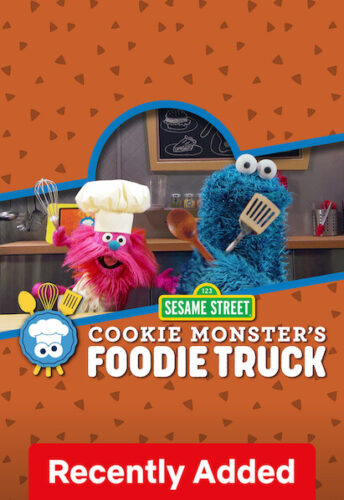
“La [calidad] podría ser educación de calidad. Podría ser calidad para una narración encantadora que sea significativa para un niño”, dijo. “Lo realmente mejor, el contenido que está claramente hecho con cierto cuidado y consideración, sigue siendo [como] Sesame Street, el material para niños de PBS como DANIEL TIGER’S NEIGHBORHOOD, y luego hay algunos recién llegados como BLUEY y MS. RACHEL”, y Movieguide® está de acuerdo.

Estos programas tienen un ritmo más lento, muestran humor, resuelven problemas y cuentan historias que tienen algún significado. Ayudan a los niños a aplicar lo que aprenden en el mundo real.

“También codificamos cosas como diseños que solo intentan captar la atención”, dijo la Dra. Radesky. A esto lo llamamos ‘deslumbramiento’, simplemente estas cosas adicionales que aparecen en un video de YouTube, pero que a menudo son contenido superficial y llamativo para captar la atención. Yo diría que la bazofia generada por AI está definitivamente en lo más bajo”.

Related: Doctor Warns YouTube Kids Isn’t Safe — Here’s Why 

“Si alguna vez ves un video que parece un montón de coches generados por computadora conducidos por Spider-Man y Elsa y Hulk chocando contra un montón de balones de fútbol, eso es lo peor y no vale el tiempo ni la atención de tus hijos”, explicó. “Son todas las cosas engañosas en las que los niños quieren hacer clic, por eso son tendencia en el algoritmo y esos videos tienen miles de millones de visitas”.

La Academia Americana de Pediatría advierte que hay mucho contenido dañino y de baja calidad en YouTube. Recomienda a los padres elegir contenido que muestre personajes amables y positivos, evitar el contenido llamativo que presiona a los espectadores a seguir mirando, elegir contenido con menos anuncios y evitar los ‘kid-fluencers’.

El equipo de investigación de la Dra. Radesky ha descubierto que los niños ven los juegos en tabletas y digitales como una actividad individual. No lo ven como algo para compartir, a diferencia de los juegos físicos o los libros.

“Hay tanto aprendizaje informal que los niños hacen en la primera infancia, y realmente podemos enseñarles a los niños que los medios son para compartir”, subrayó. “No es para cuando cada uno de nosotros está estresado y no quiere hablar con el otro”.

Ella recomienda que los padres enseñen a los niños cómo compartir los medios digitales y que siempre los usen en un espacio común.

Un estudio publicado en BMC Public Health el año pasado confirma que los niños a edades tempranas que ven YouTube con alta frecuencia tuvieron mayores problemas emocionales y de comportamiento, incluyendo problemas con la autorregulación.

“Si tu hijo está acostumbrado a ser calmado o a que su comportamiento sea manejado por los medios, eso podría crear una dependencia”, añadió la Dra. Radesky. “La primera infancia es una gran oportunidad para que los niños aprendan otras habilidades de conciencia emocional y afrontamiento”.

Así que ayuda a tus hijos a desarrollar mejor esas habilidades siendo consciente de lo que ven.

Read Next: What Parents Need to Know About YouTube Kids

Related Stories

More News →
Damar Hamlin Noticias Y Artículos SILENT THOUGHT: The user wants me to translate the English text to Spanish. I need to preserve the HTML, formatting, and embedded media, though there’s no HTML or media in the provided text. The instruction “Don’t translate anything in capital letters” is crucial. The phrase “Buffalo Bills Safety Damar Hamlin Baptized: Faith Brings ‘Peace’ and New Purpose” contains several capitalized words. Let’s break it down: – “Buffalo Bills Safety Damar Hamlin Baptized”: “Buffalo Bills Safety Damar Hamlin” should not be translated. “Baptized” should be translated. – “: Faith Brings ‘Peace’ and New Purpose”: “Faith Brings” should be translated. “‘Peace'” should be translated. “and New Purpose” should be translated. Applying the rules: – “Buffalo Bills Safety Damar Hamlin” -> “Buffalo Bills Safety Damar Hamlin” (no translation) – “Baptized” -> “Bautizado” – “: ” -> “: ” – “Faith Brings” -> “La fe trae” – “‘Peace’” -> “‘Paz'” (preserving quotes) – “and New Purpose” -> “y un nuevo propósito” Combining them: “Buffalo Bills Safety Damar Hamlin Bautizado: La fe trae ‘Paz’ y un nuevo propósito” febrero 16, 2026 Nicole C. Mullen Noticias Y Artículos SILENT THOUGHT: The user wants me to translate the English text “Grammy-Nominated Singer Points Victims of Abuse Toward God: ‘He Cares'” into Spanish. I need to preserve the formatting (which is plain text in this case) and not translate anything in ALL CAPS. The ALL CAPS parts are: GRAMMY, GOD. (Ah, wait, “Grammy-Nominated” is an adjective, but “Grammy” itself is a proper noun, a specific award. So “Grammy” should not be translated. “God” is also not to be translated). Let’s break down the sentence: – “Grammy-Nominated Singer” -> “Cantante nominado al GRAMMY” (Keeping GRAMMY) – “Points Victims of Abuse” -> “señala a las víctimas de abuso” – “Toward God:” -> “hacia DIOS:” (Keeping DIOS) – “‘He Cares'” -> “‘Él se preocupa'” / “‘A Él le importa'” / “‘Él cuida'” Combining them: “Cantante nominado al GRAMMY señala a las víctimas de abuso hacia DIOS: ‘Él se preocupa'” This looks good. I have preserved “GRAMMY” and “DIOS” as requested. enero 20, 2026 Chynna Phillips Noticias Y Artículos SILENT THOUGHT: The user wants me to translate the English text “Pop Singer Shares Powerful Testimony of Healing, Faith and Redemption” into Spanish. I need to make sure to: – Translate the content from en to es. – Preserve HTML, formatting, and embedded media (not applicable here as it’s plain text). – Not translate anything in ALL CAPS (not applicable here as there are no all-caps words). – Just return the new content. The text “Pop Singer Shares Powerful Testimony of Healing, Faith and Redemption” will become “Cantante pop comparte poderoso testimonio de sanación, fe y redención”. diciembre 8, 2025 Tim Tebow Noticias Y Artículos SILENT THOUGHTS: The user wants me to translate the English text “What Fatherhood Taught Tim Tebow About Faith” into Spanish, while preserving HTML (though there’s none in this simple text), formatting (which is plain text), and embedded media (none here). The key instruction is “Don’t translate anything in capital letters.” The only capitalized words are “Fatherhood”, “Taught”, “Tim”, “Tebow”, “About”, “Faith”, and “What”. Oh wait, “Tim Tebow” is a proper name, and should be capitalized. “What Fatherhood Taught Tim Tebow About Faith” – all words are capitalized. This means I should not translate anything. This feels like a trick question or a misinterpretation on my part. Let’s re-read carefully: “Don’t translate anything in capital letters.” If the input is “What Fatherhood Taught Tim Tebow About Faith”, and *every word* starts with a capital letter, then literally, I should not translate *any* word. This would result in: “What Fatherhood Taught Tim Tebow About Faith” Is this the intended behavior? Usually, when instructions say “don’t translate X”, it means if a word *is* X (e.g., all caps like “USA”, or a specific tag like “), then don’t touch it. However, the instruction is “Don’t translate anything in *capital letters*.” It doesn’t say “don’t translate words that are ALL CAPS”. It says “in capital letters”. If a letter is capital, it shouldn’t be translated. This is a very ambiguous instruction. Let’s consider common interpretations: 1. **Strict literal interpretation:** Any character that is uppercase should not be translated. This is nonsensical in the context of translation, as it would mean I can’t change “W” to “¿Q” or “F” to “P”. This would imply no translation can happen if the original starts with a capital letter, which is common for titles. 2. **More common interpretation for “Don’t translate X” in localization:** “Don’t translate strings that are entirely in ALL CAPS” or “Don’t translate proper nouns/brand names if they are capitalized”. 3. **If a word *begins* with a capital letter, don’t translate that word.** This would mean the entire phrase isn’t translated. Given the phrasing “Don’t translate anything in capital letters,” it could very well mean “if a word is in capital letters (e.g., ‘USA’, ‘NATO’) then don’t translate it.” But here, the words are “What”, “Fatherhood”, “Taught”, “Tim”, “Tebow”, “About”, “Faith”. None of these are *fully* in capital letters, except potentially if one interprets “in capital letters” as “starts with a capital letter”. Let’s test this interpretation: “Don’t translate words that start with a capital letter.” In “What Fatherhood Taught Tim Tebow About Faith”, every word starts with a capital letter. So, the output would be “What Fatherhood Taught Tim Tebow About Faith”. This seems too simple and not helpful for a translation task. Could “in capital letters” refer to *only* words that are fully capitalized, like “USA” or “NATO”? If so, then *no words* in the given phrase “What Fatherhood Taught Tim Tebow About Faith” fit this criterion. This would mean I *should* translate everything. Let’s go with the most reasonable interpretation for a translation task that involves a title. The instruction “Don’t translate anything in capital letters” likely refers to strings that are *entirely* in uppercase (like acronyms, or specific codes). Since “What Fatherhood Taught Tim Tebow About Faith” is a title, each word is capitalized, but no word is entirely uppercase. “Tim Tebow” is a proper name, which should generally not be translated anyway, though its capitalization is relevant. So, if no words are fully uppercase, I should translate the rest. “What Fatherhood Taught Tim Tebow About Faith” “What” -> “¿Qué” “Fatherhood” -> “la paternidad” (or “ser padre”) “Taught” -> “le enseñó” (to him) “Tim Tebow” -> Tim Tebow (proper name) “About” -> “sobre” “Faith” -> “la fe” Putting it together: “¿Qué le enseñó la paternidad a Tim Tebow sobre la fe?” “¿Qué le enseñó a Tim Tebow la paternidad sobre la fe?” (more natural flow) Let’s re-evaluate “Don’t translate anything in capital letters.” This phrasing is quite awkward. If it meant “don’t translate words that are all caps”, then no words in the input qualify. If it meant “don’t translate words that start with a capital letter”, then every word qualifies, and I should return the original. Let’s assume the user meant “Don’t translate *words written in ALL CAPS*”. This is a common instruction to preserve acronyms, brands, etc. Since there are no ALL CAPS words in the input (“What Fatherhood Taught Tim Tebow About Faith”), I should translate the entire phrase. The phrase is a title, so in Spanish, only the first word and proper nouns are capitalized. Original: “What Fatherhood Taught Tim Tebow About Faith” Translation: “¿Qué le enseñó la paternidad a Tim Tebow sobre la fe?” This seems like the most practical and useful interpretation of the request, despite the slightly ambiguous wording of “anything in capital letters”. If the user really meant “don’t translate *any word that starts with a capital letter*”, they should have been clearer, as it would render most translation requests for titles untranslatable. Final check on interpretation: “Don’t translate anything in capital letters.” Could it mean “don’t translate the capital letters themselves”? E.g., if “A” appears, don’t change “A” to “A”. This is also nonsensical. The only sensible interpretation that aligns with common translation tasks is “don’t translate strings/words that are entirely in ALL CAPS”. Let’s apply this: Input: “What Fatherhood Taught Tim Tebow About Faith” Are there any words that are entirely in ALL CAPS? No. Therefore, translate everything. “What Fatherhood Taught Tim Tebow About Faith” -> “¿Qué le enseñó la paternidad a Tim Tebow sobre la fe?” This also respects the implicit rule of not translating proper nouns like “Tim Tebow”. And standard Spanish title capitalization: first word capitalized, rest lowercase unless proper noun. Let’s ensure the output format is correct: “Just return the new content.” No HTML in the input, so no HTML in the output. No embedded media. Plain text. noviembre 11, 2025 Scott Patterson Noticias Y Artículos The user wants to translate an English text to Spanish. I need to identify the translatable parts and the parts that should remain untranslated (capitalized words). The phrase “Why This Actor Suddenly Left SULLIVAN’S CROSSING” needs to be translated. “SULLIVAN’S CROSSING” should remain as is. Translation plan: 1. Translate “Why This Actor Suddenly Left” to Spanish. 2. Keep “SULLIVAN’S CROSSING” as is. 3. Combine them.¿Por qué este actor dejó repentinamente SULLIVAN’S CROSSING? marzo 10, 2026 Elana Meyers Taylor Noticias Y Artículos The user wants to translate the English text “US Olympian Shares the Realities of Parenting Special Needs Children” into Spanish. I need to preserve the HTML (although there isn’t any in this specific example, the instruction is general). I need to translate the content, but not anything in capital letters. The entire phrase “US Olympian Shares the Realities of Parenting Special Needs Children” is in title case, not all caps. So, everything should be translated. Let’s break it down: – “US Olympian”: “Atleta olímpico estadounidense” or “Olímpico estadounidense” (the latter is more common in headlines). – “Shares”: “Comparte” – “the Realities”: “las realidades” – “of Parenting”: “de criar” or “de la paternidad/maternidad” or “de ser padre/madre” (the first one “de criar” fits well with “niños”). – “Special Needs Children”: “niños con necesidades especiales” or “niños con capacidades diferentes” (the former is more common and direct). Combining them: Option 1: “Atleta olímpico estadounidense comparte las realidades de criar niños con necesidades especiales” Option 2: “Olímpico estadounidense comparte las realidades de la paternidad con niños con necesidades especiales” “Criar niños con necesidades especiales” seems to capture “parenting special needs children” more accurately than “paternidad con niños con necesidades especiales”. Let’s go with “Atleta olímpico estadounidense comparte las realidades de criar niños con necesidades especiales”. It’s natural and accurate. There’s no HTML, formatting, or embedded media to preserve in this specific input.</думай>Atleta olímpico estadounidense comparte las realidades de criar niños con necesidades especiales febrero 18, 2026